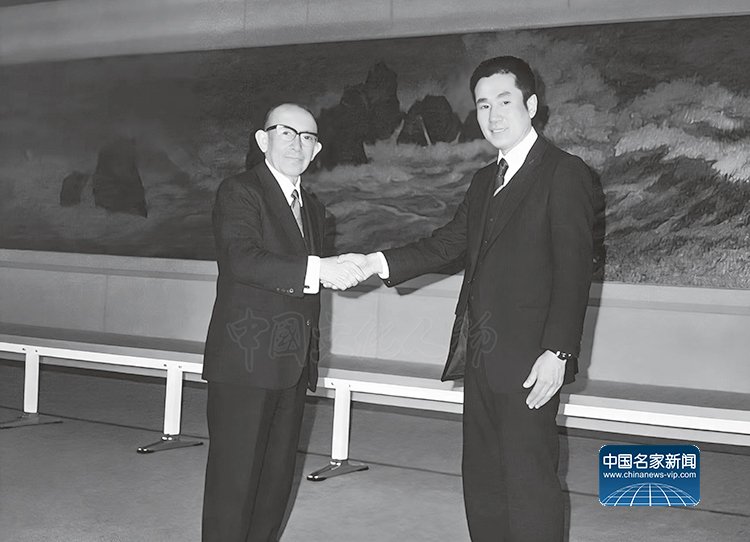
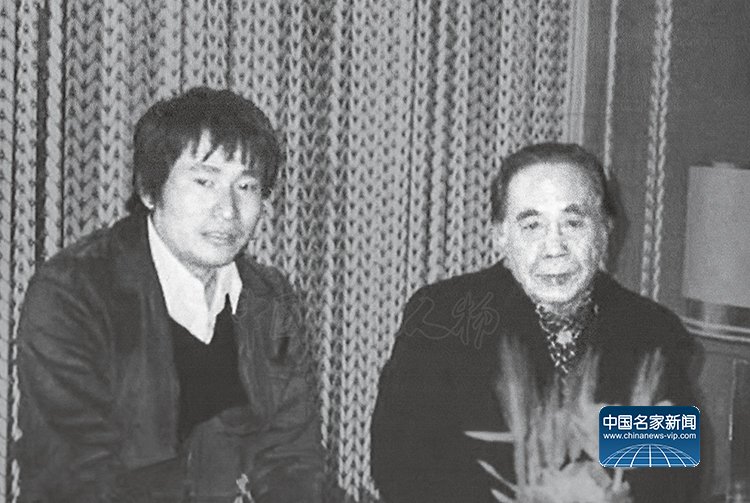
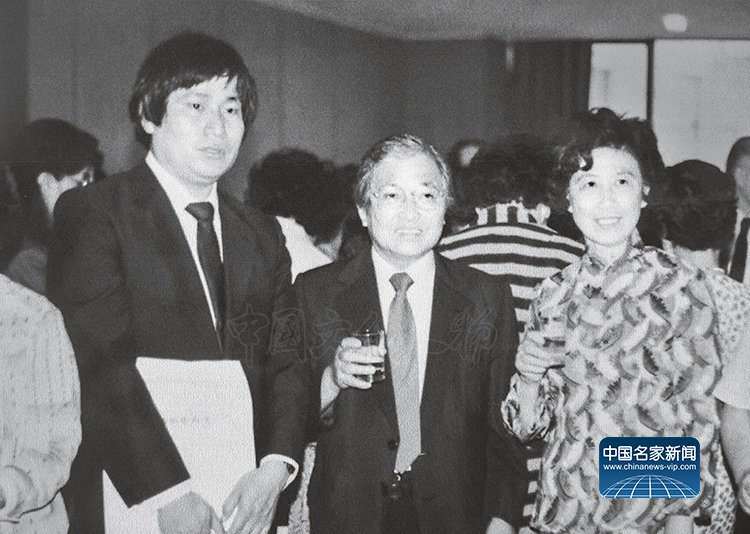
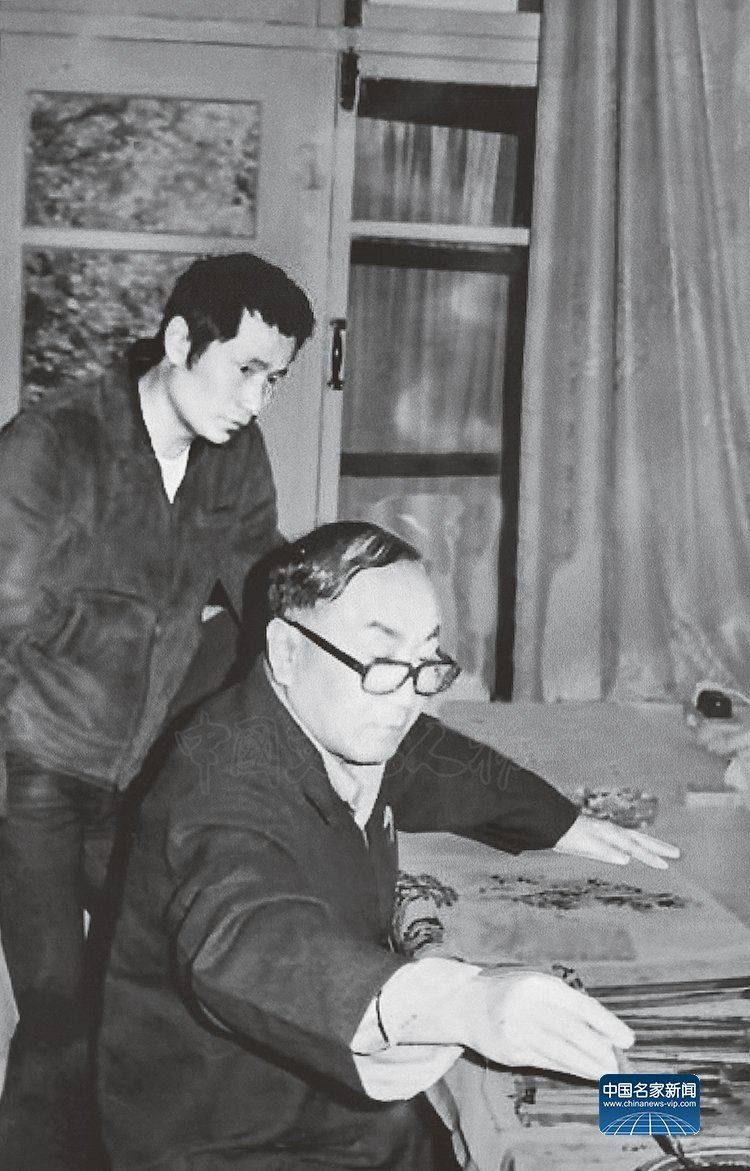
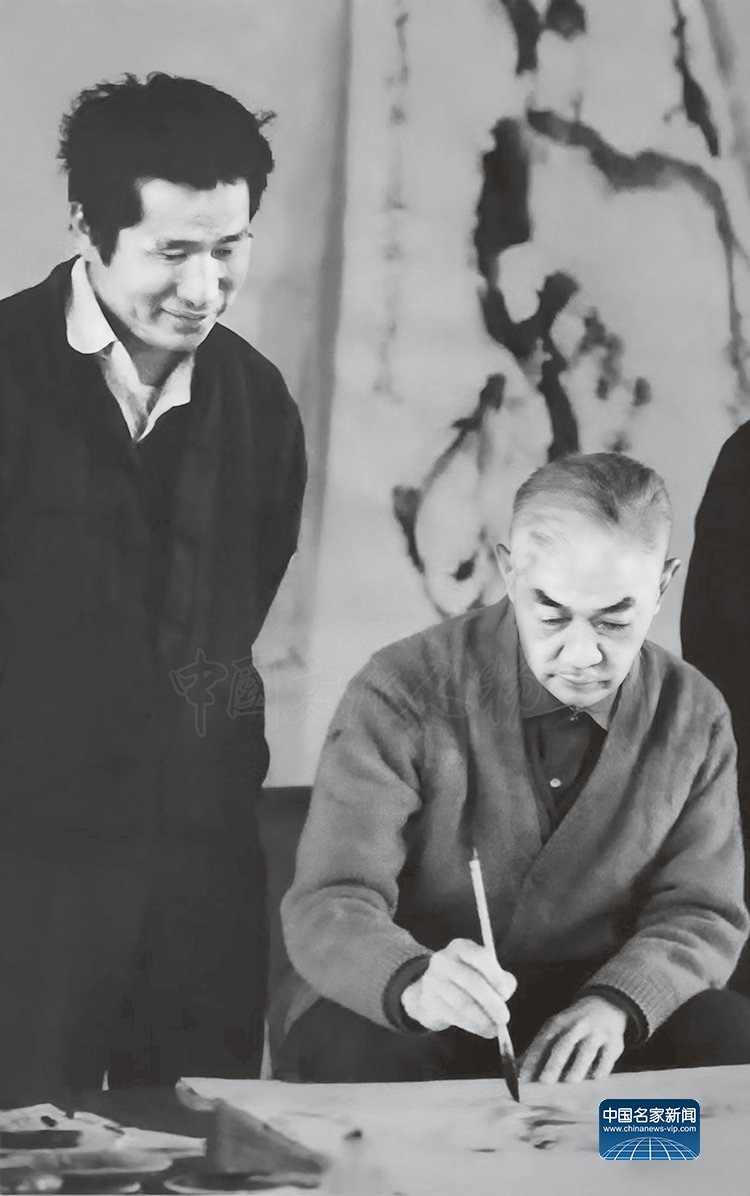
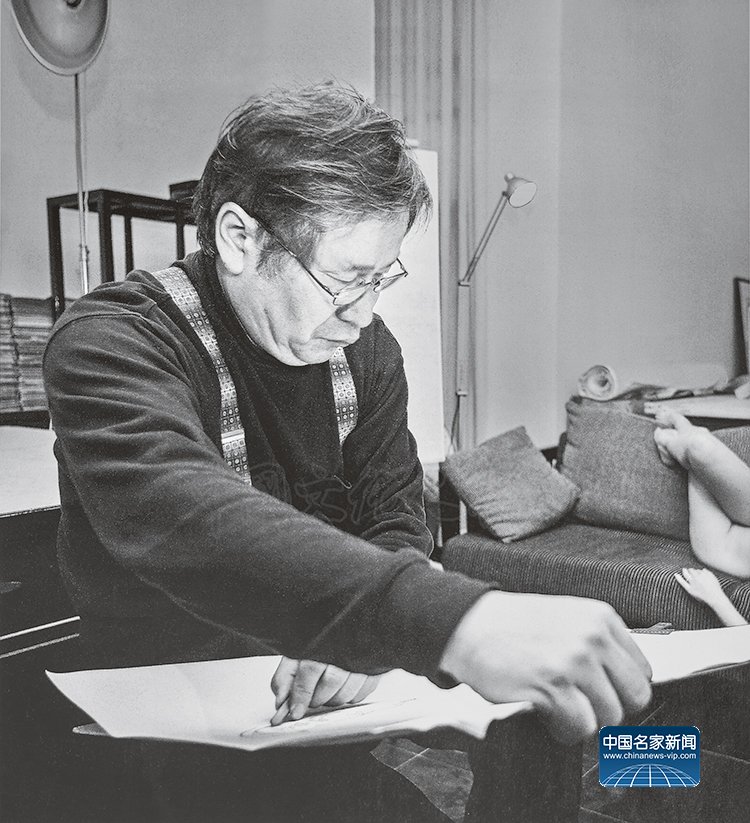
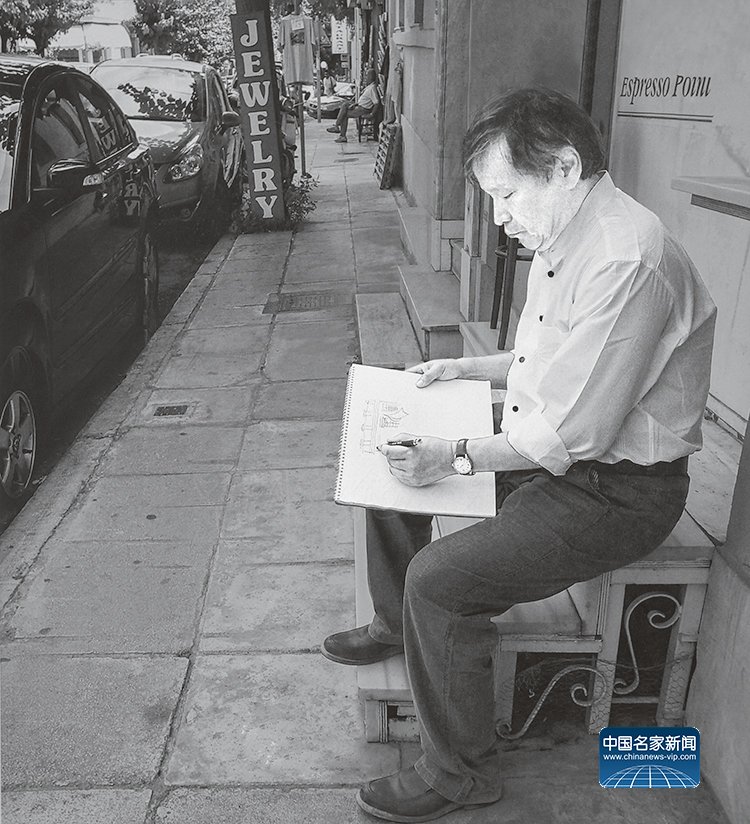
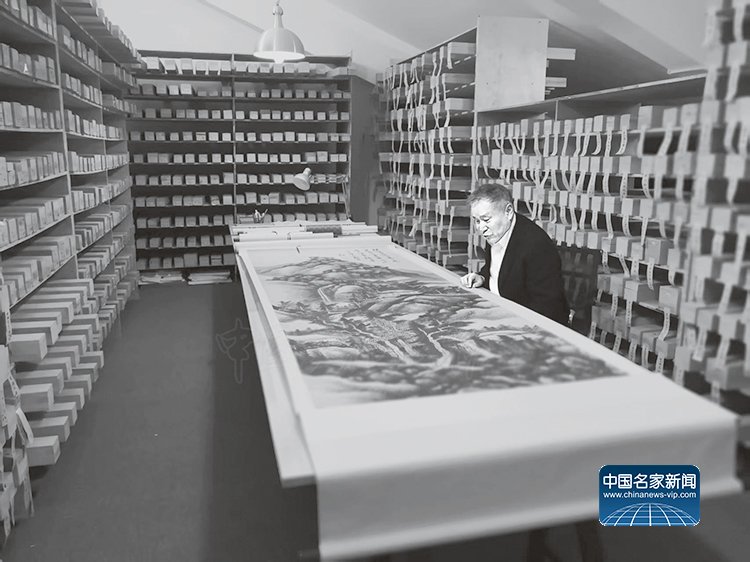
(Wang Baosheng, Editor-in-Chief of Chinese Cultural Figures) With ink as its medium, Li Geng bridges poetic rhythms and art as a bridge that transcends mountains and seas. His painting world is both a contemporary continuation of Chinese cultural legacy and a vivid testament to cross-cultural dialogue. Ai Qing praised his works for unfolding a “poetic world”. Takeshi Umehara resonated with the novel artistic realm and emotional resonance in his brushwork. Shigenobu Kimura observed his artistic reconstruction wisdom sharing similarities with Cézanne. The academic community in China also recognizes his scholarly dedication to modernizing ink art and his global vision in building bridges for cultural exchange between China and the world. From the fusion of Tang poetry and Western symphonic inspiration to the collision of traditional ink and contemporary art languages, Li Geng’s creations, blending intellect and passion, have allowed the charm of Eastern ink art to transcend national boundaries. Through inheritance and innovation, and resonance and elevation, he has established a unique presence connecting the artistic souls of China and the world.
Home Mountains——Ink Rhythms · Preface to the Exhibition of Li Geng's Paintings
Born in the mountains and raised in the highlands, he was blessed with gentle breezes and sweet springs. This setting perfectly captures Mr. Li Geng’s early artistic life.
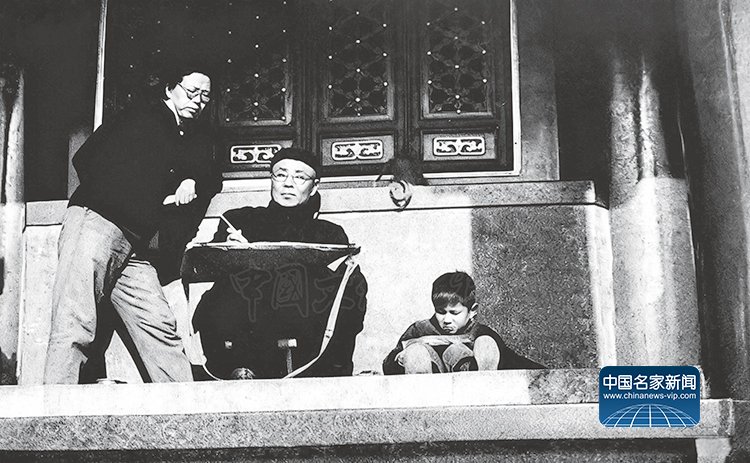
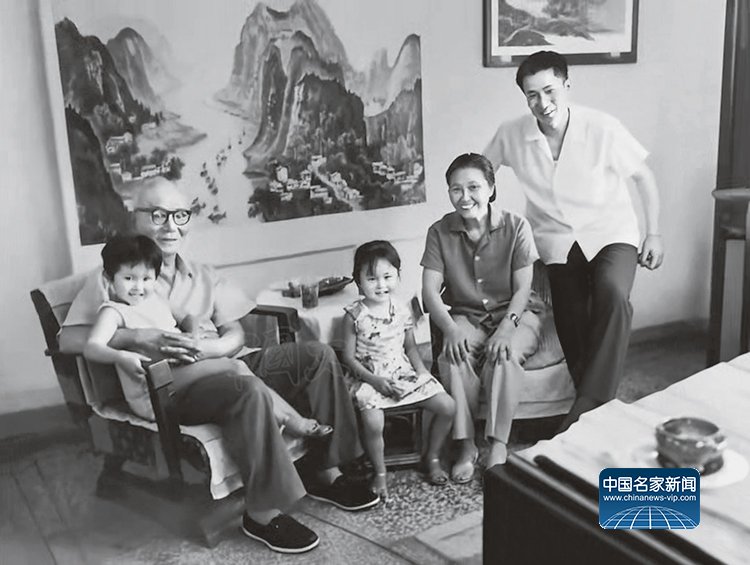
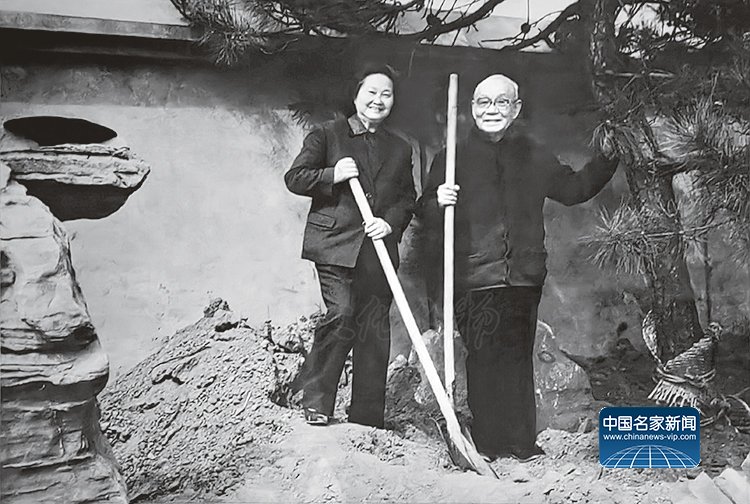
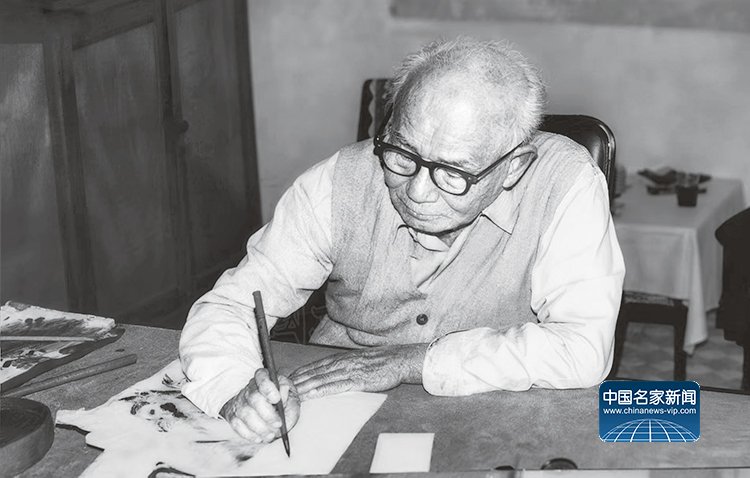
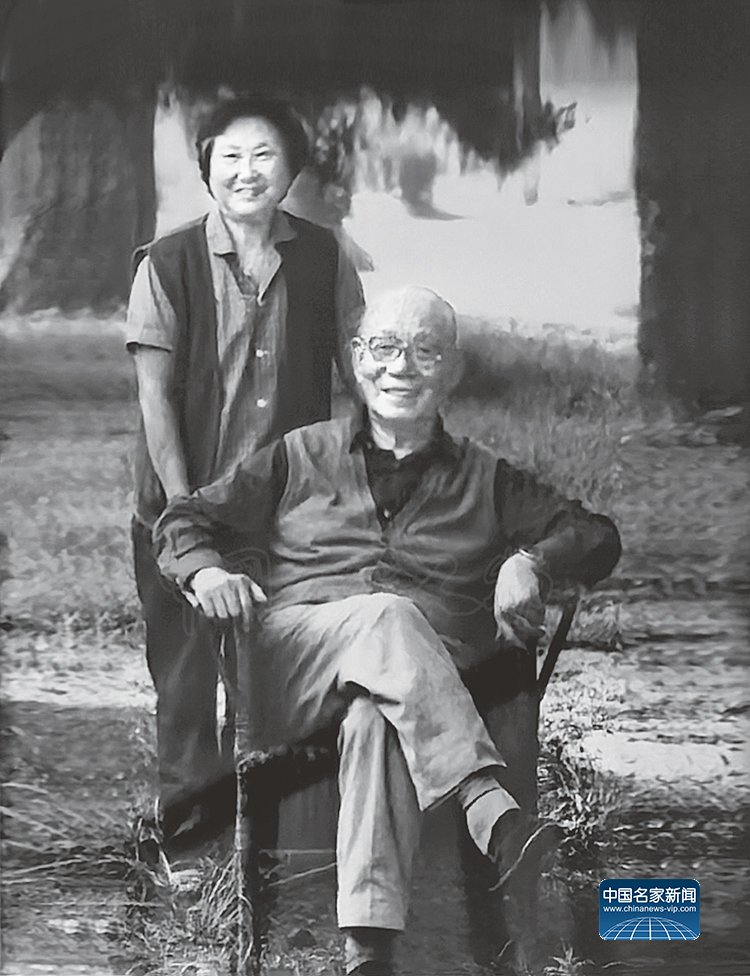
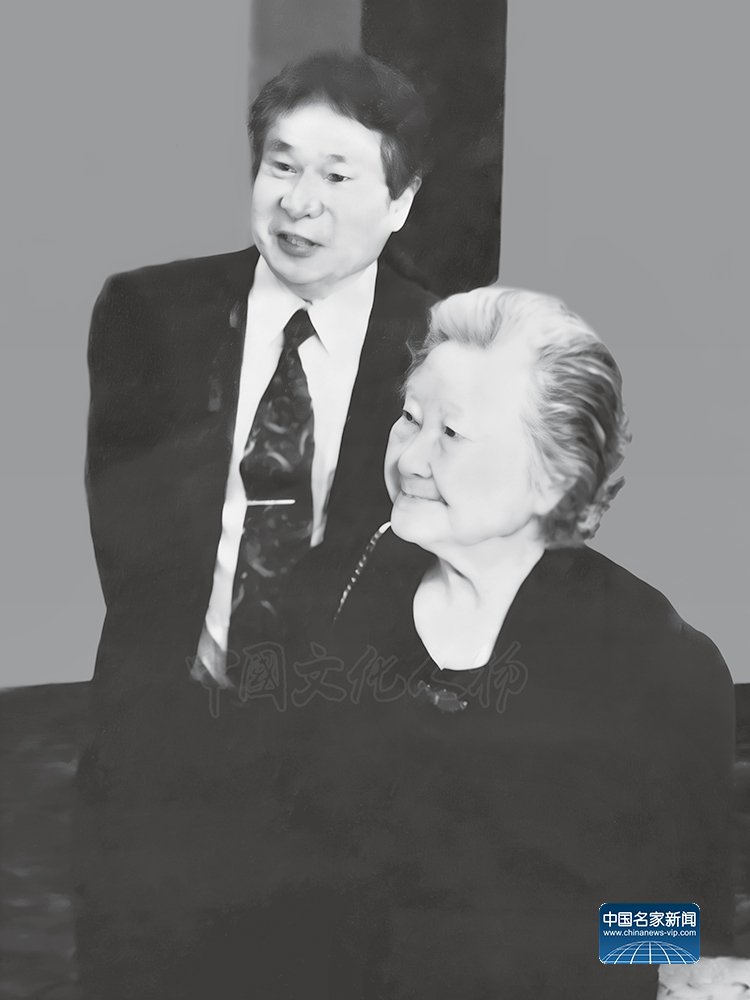
His father, Mr. Li Keran, was a towering figure in the Chinese art world, and his mother, Ms. Zou Peizhu, was a renowned sculptor. Both his neighbors were masters of art and outstanding figures in the art world. The name Li Geng was given by Mr. Qi Baishi. It was his destined calling to carry forward the great tradition.
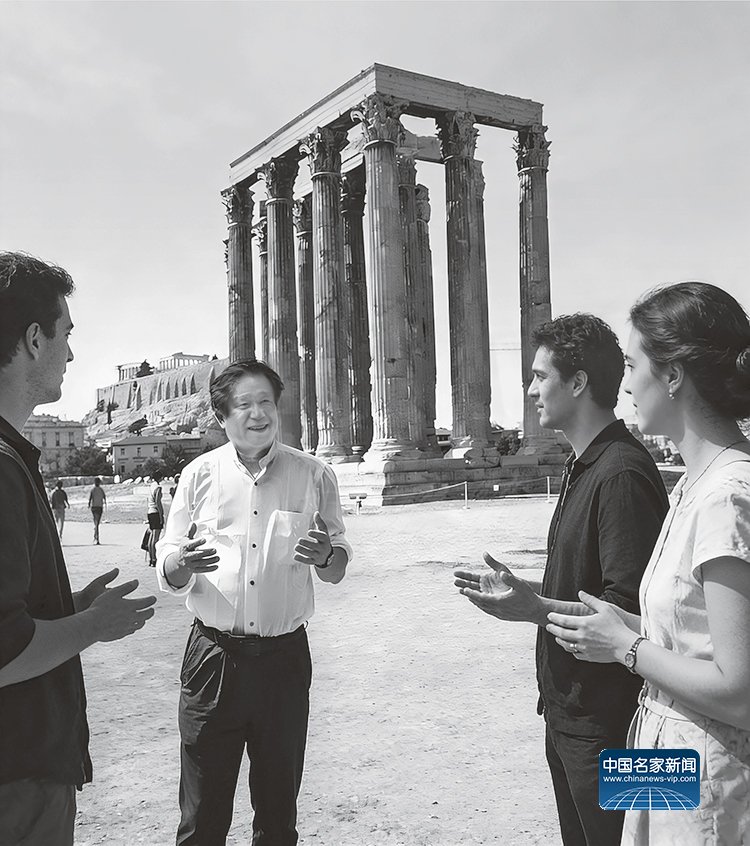
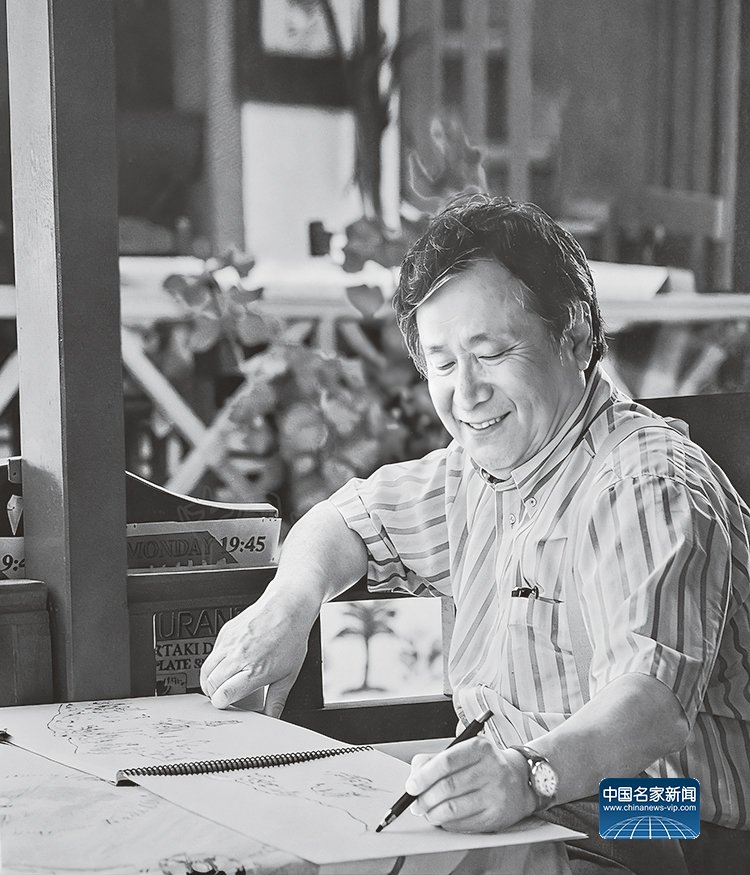
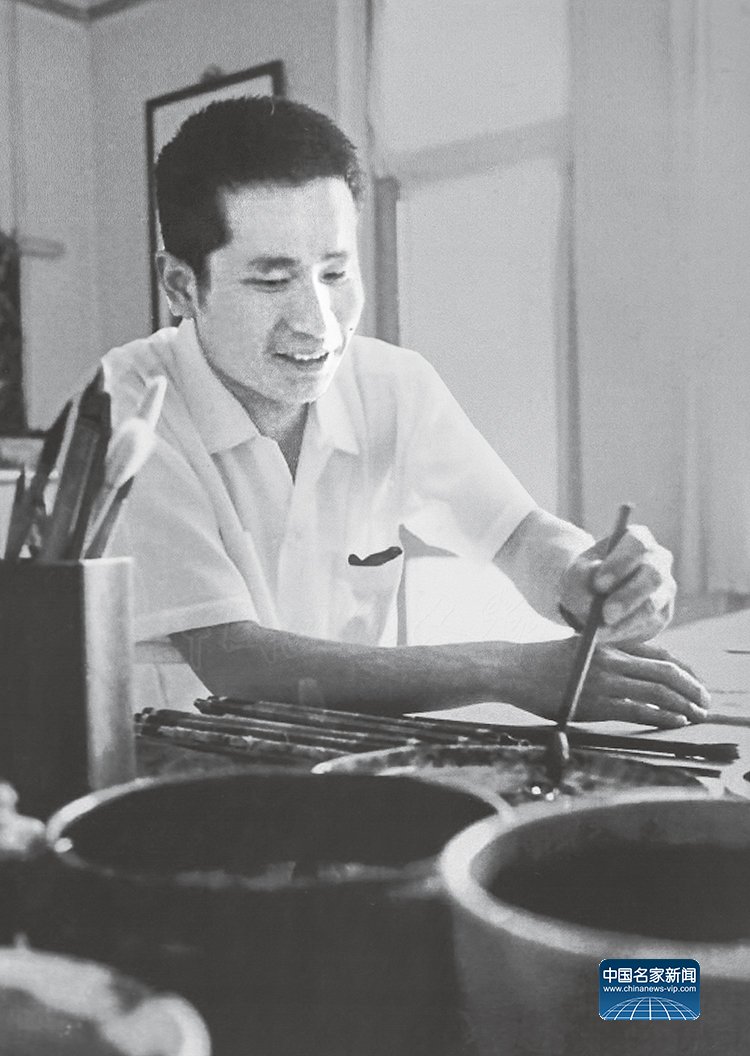
Gifted with exceptional talent, Li Geng showed extraordinary promise from an early age and won numerous awards both at home and abroad. His father, however, taught him: “Don’t rely on talent; be a diligent learner.” Li Geng lived up to these expectations by delving into painting history, mastering brushwork through rigorous practice, and eventually revolutionizing the art world with his signature Li School Landscape. Yet, his intellectual horizons extended far beyond this, as he sought a broader cultural context. Thus, he journeyed to the East and Europe, immersing himself in the visual art revolution of the 20th century, where he explored the aesthetics of color, form, and abstraction. Through prolific creative practice, he grasped the origins and inner characteristics of various artistic movements. In both thought and action, he stepped beyond his native mountains.
Yet only after witnessing the vicissitudes of art did he come to realize: the ancient Chinese theory of the five hues in ink embraces the full spectrum of warm and cool light in nature. Endowed with a poetic, philosophical quality, it builds up layers of accumulated ink—rich, moist, and luminous—shining forth brightness from the misty depths. This is the very essence of “The East Glows White.”
After roaming the world and gazing afar, he finally returned to his roots. The mountains of home were no longer those he had left behind. Li Geng has returned. Still wandering through the rugged peaks, he hears the ethereal tones of the organ in the faint melodies of Eastern zithers.
From Li Family Mountain, he traveled the East and West Oceans, seeking inspiration from other mountains, enduring storms and hardships, until he finally returned to his homeland. Mr. Li Geng experienced the journey of seeing mountains as mountains, seeing mountains as not mountains, and finally seeing mountains as mountains.
Amid the vast mountain wind, poetry and ink ripple freely. Gazing at the undulating peaks and the auspicious clouds swirling above the rivers, Li Geng once again pours his brush with vigor!
Wu Weishan, Ren Yin, at the South Window of the National Art Museum of China
His face and body are covered with knife marks, yet he smiles and gazes at the sea. The ink paintings of China, known as “China”, possess a poetic rhythm, which is the sublimation and innovation of ancient national art through the inheritance and development by generations of talented artists. I am delighted to take this exhibition opportunity to introduce this outstanding artist from China to the German art community and the general public. His works unfold a poetic world before your eyes, and I hope you can resonate with them.
— Ai Qing, a famous poet
The master-apprentice relationship is not merely about technical inheritance, but more importantly, the transmission of artistic vision and spirit. From Li Geng’s landscape paintings, I can see the remarkable educational achievements of Keran. I firmly believe that Li Geng will make even greater contributions to landscape painting, and he will undoubtedly write a new glorious chapter for the Li School Landscape painting. The tradition lives on.
— Li Kuchan, a master of Chinese painting
The Li family was endowed with spiritual gifts, and Li Geng in particular inherited the style of Li Keran. While his paintings bear traces of his father’s influence, they predominantly reflect his own artistic vision. Among the Li family’s current generation, I hold him in high regard.
— Huang Yongyu, a master of Chinese painting
It is no accident that Mr. Li Keran’s works have become the most highly valued landscape paintings. Li Geng has carried his father’s early ink play and late abstract sensibility to consummate perfection. I would not be the least surprised if his works were auctioned for tens of millions one day in the future. This is the recognition he deserves.
— Jin Shangyi, honorary chairman of China American Artists Association
Li Geng is an outstanding inheritor personally trained by the great master Li Keran. As Keran’s son, he has truly carried on the Li School landscape tradition and forged his own artistic world—a remarkable achievement.
— Fan Zeng, renowned contemporary Chinese painter, calligrapher and scholar of Chinese civilization
Li Geng’s paintings possess a unique artistic realm and convey a strong sense of intellect. I have heard his home is filled with books. Living among books, he must be a great lover of reading. I believe his inspiration draws enlightenment from literature, through which he finds universal connections.
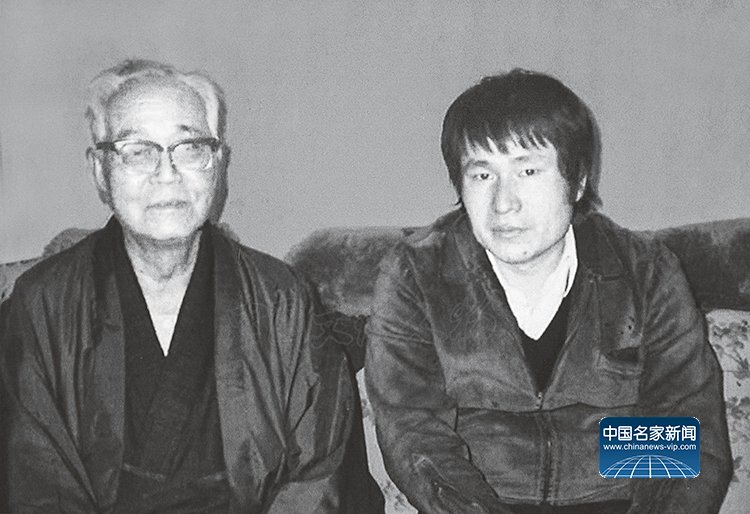
— Egami Namio, recipient of the Japanese Order of Culture, former Director of the Museum of Western Asia and former President of the Japanese Archaeological Association
Li Geng’s works sometimes reveal bold and dynamic brushstrokes, yet they often convey a sense of desolation and silence in his compositions. In traditional landscape painting, he manages to bring a fresh perspective. The posture of the trees and the decisive ink splashes in his paintings reflect his inner state.
— Shigenobu Kimura, recipient of the Japanese Cultural Medal and philosopher
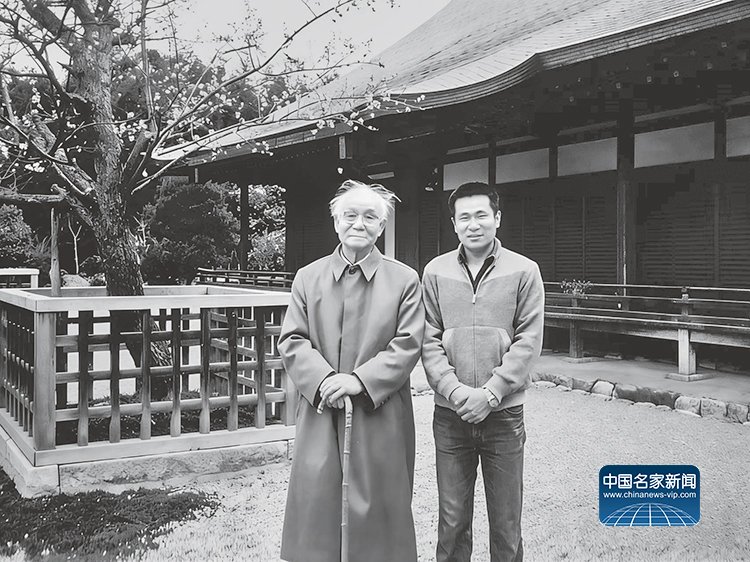
Li Geng is a distinguished ink painter. We share another connection: we once taught at the same university in Kyoto. Yet what truly impresses me is his extraordinary artistic talent and relentless thirst for knowledge. Gifted as he is, he lives simply and travels ceaselessly across the world in pursuit of knowledge. With the devotion of a wandering monk, he follows the Eastern tradition of “traveling ten thousand miles and reading ten thousand books.” These qualities alone convince me he will undoubtedly achieve remarkable accomplishments.
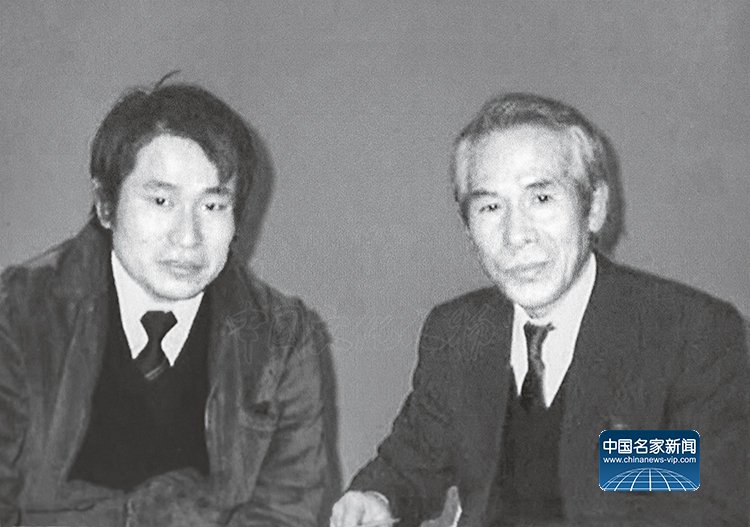
— Ryun Ming, recipient of the Order of Culture, Japan
Li Geng’s paintings blend abstraction and realism, with his ink and brushstrokes often overlapping to create striking spatial compositions. In this regard, his artistic approach bears similarities to Cézanne’s. Why? Cézanne reduced nature to geometric elements before reconstructing them, infusing paintings with structural integrity and three-dimensionality. These principles share common ground in Li Geng’s artistic practice.
—Shigenobu Kimura, former director of the National Museum of Art, Osaka, Japan
Li Geng’s paintings evoke a profound sense of vastness. The force of his brushstrokes is as compelling as music, drawing viewers into the scene. Mountains seem to move, water flows, evoking the Eastern landscape tradition. Even on small canvases, his works are filled with rocks, lush forests, and surging streams—this is the essence of his beloved landscape paintings. Not even the smallest brushstrokes fail to capture the subtleties of space. Through his art, the paper becomes a conduit to the universe.
— Tsutomu Minakami, Member of the Japanese Art Academy, a giant of modern Japanese literature
In the early 20th century, Austrian music giant Gustav Mahler composed Das Lied von der Erde in his later years. He set to symphonic music the poetic spirit of China’s Tang Dynasty great poets Li Bai, Wang Wei, Meng Haoran, and Qian Qi to music. Over the past century, music masters such as Walter, Bernstein, Klemmer, Karajan, and Ozawa have performed continuously, captivating the world.
A painter at heart, Li Geng has been captivated by Tang poetry and Song lyrics since childhood. During his time in Germany, where he taught and conducted research, he developed a profound fascination with Mahler’s works. After moving to Japan, he continued his exploration of Mahler’s artistry amidst the demands of teaching and composition. His works allow audiences to sense the resonance of Tang poetry in Western music, as well as the painter’s inspiration drawn from musical melodies. Music, poetry, painting, and the interplay between East and West—transcending time and space—are continually deepening mutual understanding among people and nations.
— Li Song, Professor of the Central Academy of Fine Arts
Li Geng is sincere, eager to learn, and persistent in his studies and pursuits. His commitment to Chinese painting is not merely a duty to carry on the legacy of Shi Niu Tang, but rather a passion ingrained in his very being—a lifelong pursuit, commitment, and spiritual cultivation.
The traditional themes of landscape, figures, flowers and fish are only part of his artistic achievement. Yet in today’s Chinese painting scene, where inheritance of tradition is weak, and breaking away from or even deconstructing tradition has become prevalent, this part of his accomplishment carries a poignant air: “The dark clouds pass, yet the moon remains alone.” Still, I am confident that Li Geng will find ever more kindred spirits in the years to come.
In Li Geng’s recent works, the brushwork and inkplay on canvas—marked by fluid, rhythmic variations and deliberate pauses—create a rich artistic realm that blends simplicity with boldness, ancient simplicity with profound weight, and the interplay of dots and lines. This evokes memories of Li Keran’s early masterpieces, celebrated for their minimalist landscapes and figures. Li Geng has transformed his understanding of Li Keran’s landscape art into a distinctive visual language, showcasing the new heights he has achieved in his brush and ink practice.
This new realm is the mature fruit of decades of dedication, and the inevitable outcome as he enters a new stage in his life
journey.
— Wan Qingli, Professor, Department of Art, School of Humanities, The University of Hong Kong
Mr. Li Geng is an honest, persistent and romantic artist. For decades, he has been obsessed with ink painting, studying its traditional origins and modern transformation, seeking its intrinsic connection with modern social culture, exploring its various expressive possibilities, and achieving fruitful results.
Li Geng possesses profound artistic cultivation and a broad vision. He is well-versed in the traditional Chinese art and the classical and contemporary art of Western Europe. While delving into their creative principles, he meticulously compares and observes the similarities and differences between them. More importantly, he explores the modern forms of ink language with reason and passion, and freely expresses his talents in abstract ink painting. Li Geng excels at creating realms from the heart and conveying emotions through his hands. He not only uses various imagery to express his temperament but also to explore the mysteries of the vast universe and the human psyche. His thoughts, which connect with the rhythm of heaven and earth, are subtly embedded in his works, carrying profound and far-reaching implications. His abstract ink paintings are magnificent and boundless in meaning, possessing a serene and distant realm. They offer beauty, strength, and rich imagination, inspiring people’s thoughts and
creativity.
— Shao Dazhen, Professor of Central Academy of Fine Arts
In Li Geng’s abstract ink paintings, there exists a universe he freely constructs, a universe with the Dao, the intense clash of yin and yang, the collision of qi, the metamorphosis of clouds and winds. To see it is to perceive black and white, void and substance; to hear it is to discern the tones of Gong, Shang, Jue, and Yu; to feel it is to experience joy, anger, sorrow, and happiness; to contemplate it is to grasp the principles of Yuan, Heng, Li, and Zhen. China’s first painting theory, The Ancient Painting Critique, first proposed the “Six Principles”, one of which is “vitality and movement”. Li Geng’s abstract ink paintings offer the most vivid visual interpretation of “vitality and movement”, and also return to the philosophical origin of Chinese painting, namely the essence of “Dao Qi”.
Li Geng is a scholar-artist, endowed with intellectual brilliance and literary grace. His blood carries the noble quality of his father’s serene yearning for the mysterious and sublime cosmic spirit. He possesses a spiritual understanding of nature’s divinity. Thus, to him, the cosmic consciousness in Tang poetry, the transcendent sentiment in Mahler’s music, the silent grandeur of landscapes, and the primordial mystique of ink painting all resonate as the rhythm connecting heaven and earth. His mission is to “harmonize with this flow”, allowing the spirit to emanate from his brush. Li Geng has elevated his father’s early ink play and late-stage abstraction to a realm of ethereal grace. His works carry a quiet profundity and broad, gentle sentiment. While echoing his father’s spirit and rhythm, they are more unrestrained, open and transcendent.
— Wang Luxiang, Professor of Tsinghua University
Li Geng’s works, themed on the Mahler series, transform the passion of Western music into the faint world of Eastern ink painting. Gustav Mahler was an outstanding Austrian composer and conductor, with representative works including the symphonies The Titan, Resurrection, and Das Lied von der Erde. In contrast, Li Geng’s works merge individual moods with nature, embodying a calm and open-minded spirit. Through his bold and unrestrained brushwork, expansive compositional power, intricate and austere geometric grids, and vivid contrasts of light and shadow, he reveals the inner space of China’s ink painting to the viewer, endowing the works with a transcendent sense of ambiguity in vast spatial dimensions.
— Yin Shuangxi, Professor and Doctoral Supervisor at the Central Academy of Fine Arts, Executive Editor of Fine Arts Research
On the warp and weft of Xuan paper, Li Geng spent over sixty years weaving the most intricate spatiotemporal fabric in the history of Chinese ink painting.
From studying traditional landscape painting under Li Keran in his youth, to experimenting with modern ink painting in Kyoto in the 1980s, and then to forging contemporary concepts in the new century with the Das Lied von der Erde series and “Folded Time” series, the artist’s creative journey resembles the renaissance of Bach’s The Art of Fugue in the soil of Eastern civilization.
— Zhao Wumian
Li Geng inherited his family’s academic tradition and followed his father’s teaching maxim:”Courage is what counts; spirit is what matters.” He carried forward the diligent academic spirit of “diving deep into tradition with utmost dedication, and breaking new ground with utmost courage” as he pursued academic exploration between East and West. Over the years, he has explored the collision and integration of Eastern and Western cultures, discussing how to base his work on local painting language to explore the extension and expansion of China’s painting art, as well as the transformation of contemporary painting language. This has led to the evolution of his personal artistic style, giving his works the artistic characteristics of locality, contemporaneity, and universality.
— Li Yuande, a famous landscape painter
Without a young and sensitive heart, he could not have created such vibrantly colored works; without rational support, his art could not have achieved such restraint and purity. He seems paradoxical, yet through decades of artistic practice, he has harmonized all contradictions through his palette. Like the earth itself: it accepts all the filth humanity casts upon it, yet from its soil bloom brilliant flowers and sweet fruit. This is the song of the earth. Mahler praised the earth with his symphony Das Lied von der Erde, while Li Geng sings of the earth through his paintings—black-and-white and resplendently coloured.
— Shen Siyuan, writer and art critic
The spirit of Li Geng’s landscape painting is to blend the ancient and modern, and to forge the grand beauty of heaven and earth. His works not only inherit the traditional brushwork spirit of Chinese painting, but also introduce the modern composition of the West, thus creating a unique landscape style.
Li Geng’s works embody the symbiosis of life’s passion and cosmic spirit, capturing the spiritual resonance of natural landscapes. Through his art, he expresses his authentic self with earth-shaking intensity, captures his temperament in the interplay of clarity and chaos, contemplates the universe in spiritual liberation, and reveals his innermost thoughts in serene contemplation, thus ultimately transcending worldly concerns and utilitarianism to achieve a state of spiritual clarity. His artistic approach bridges heaven and earth, embracing the cosmos, transforming life into art and art into life. With brush and ink, he shapes mountains and rivers; through images, he interprets profound truths. In doing so, he attains the supreme realm of life: “soaring to the eight extremities of the spirit, wandering through all four seas.”
— Xie Lin
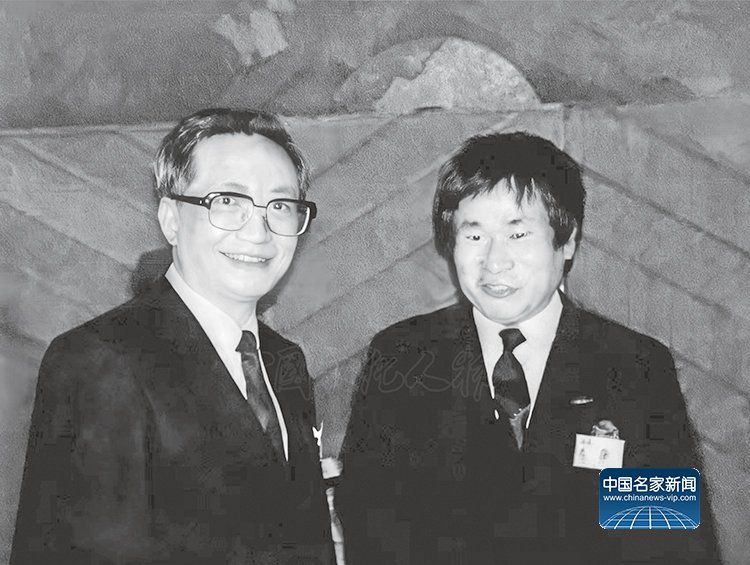
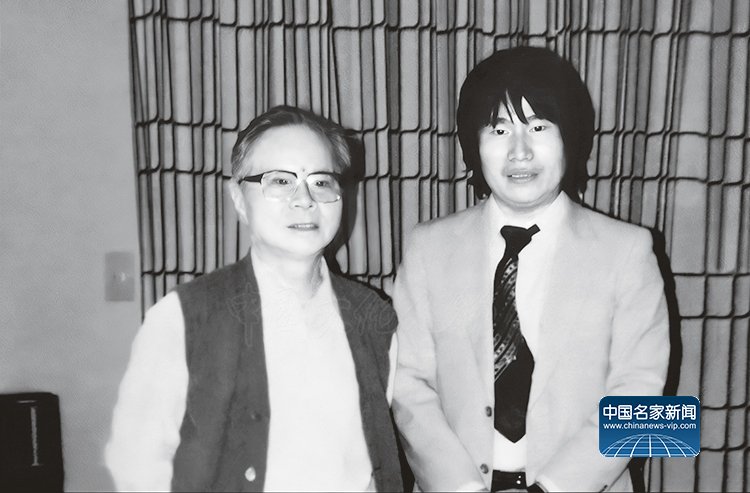
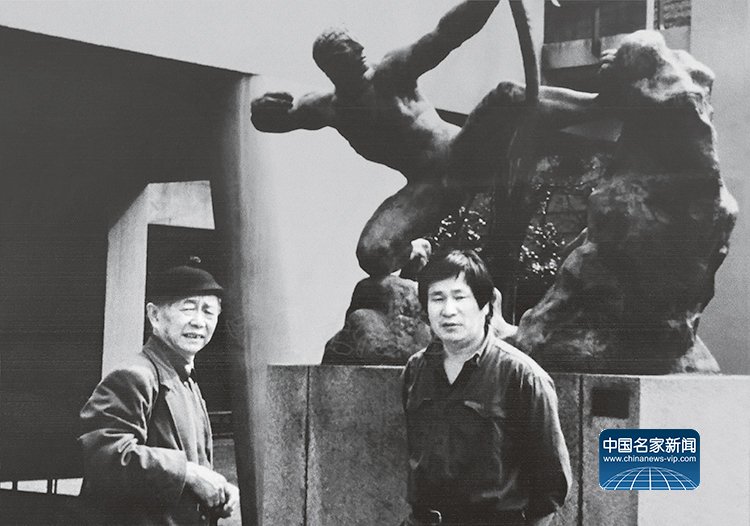
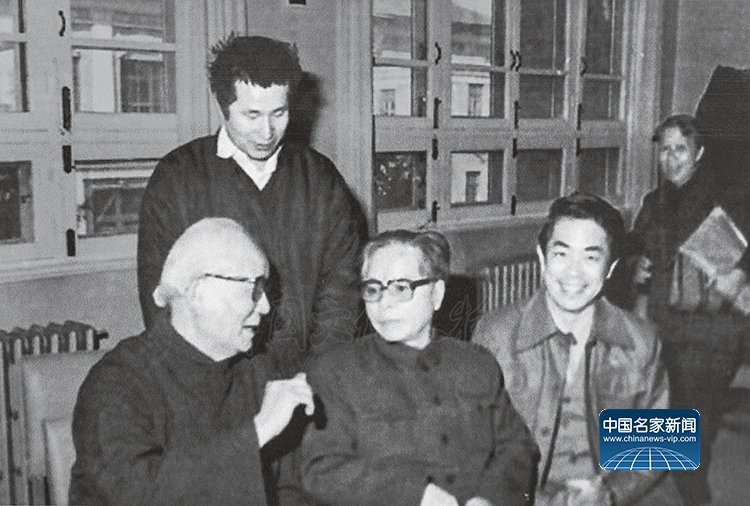
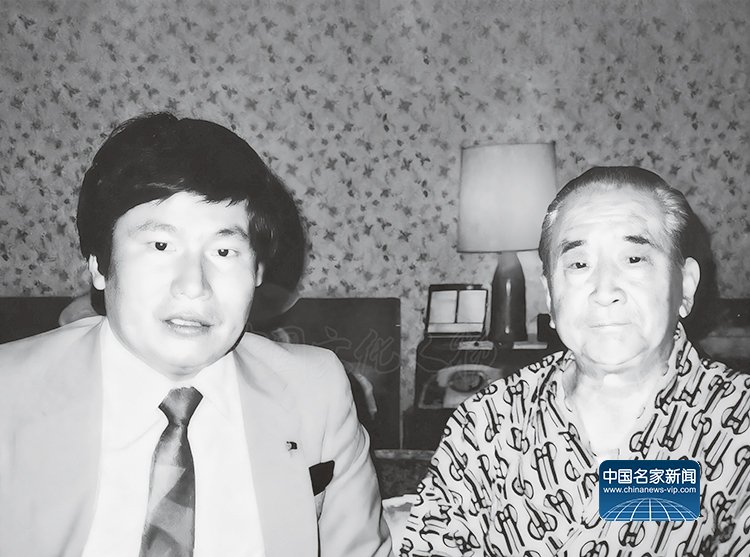
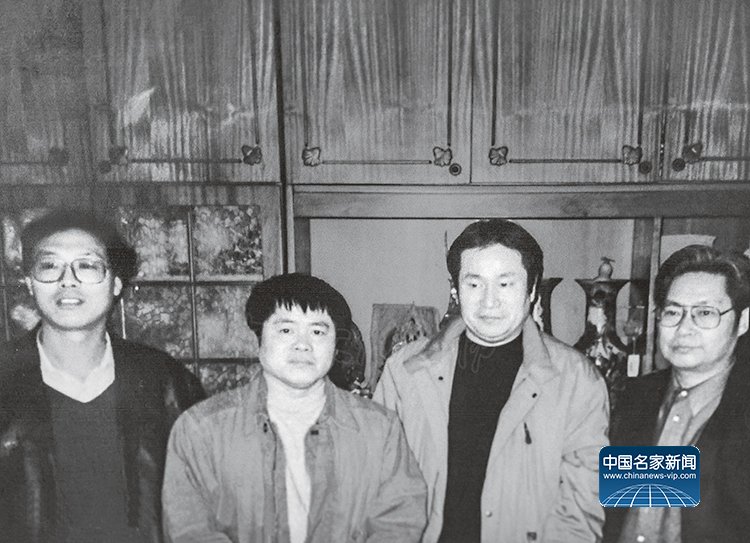
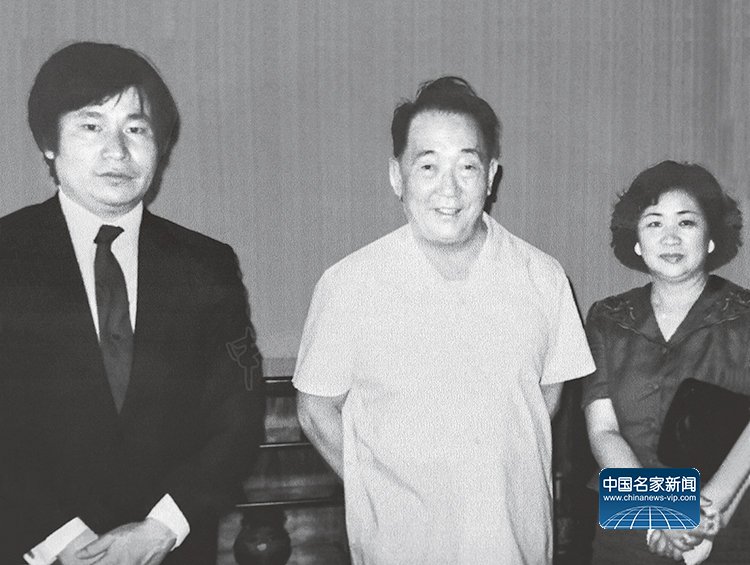
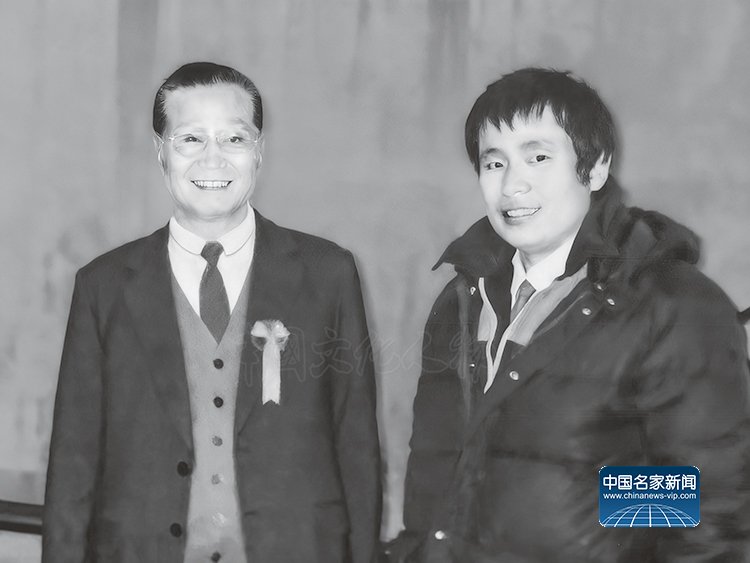
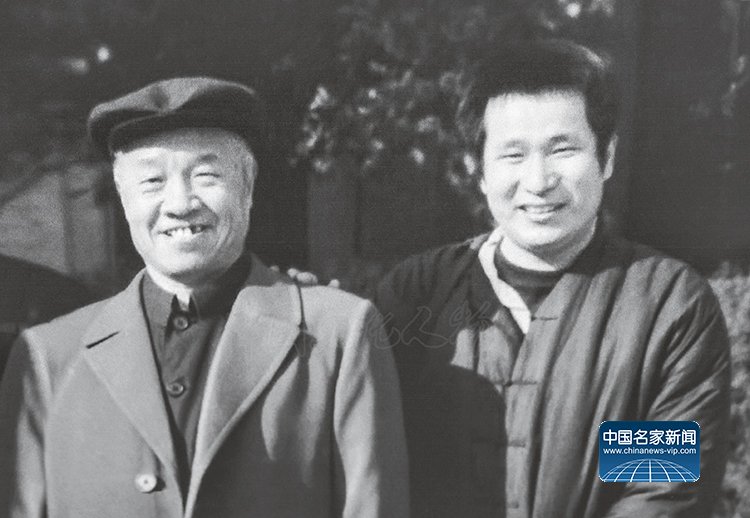
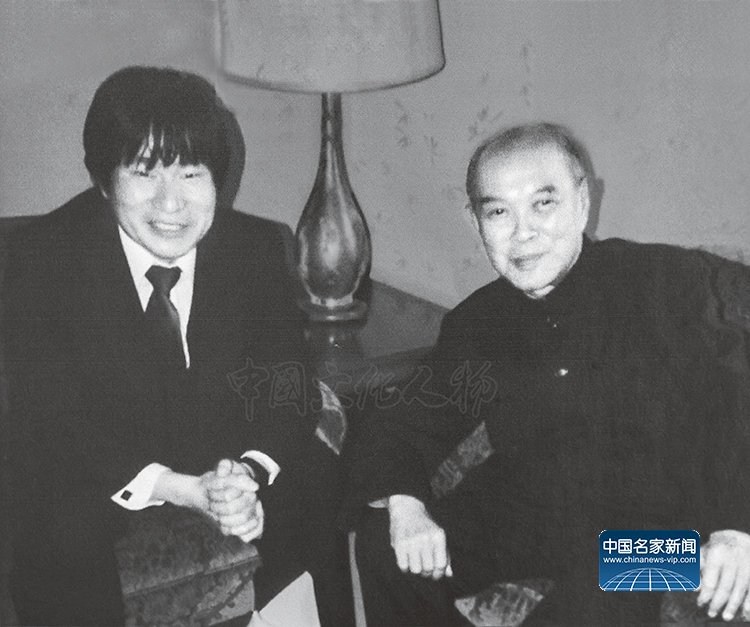
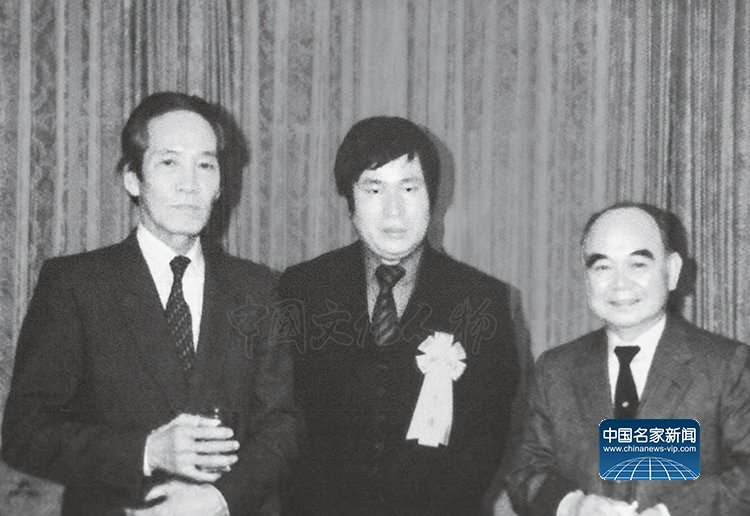
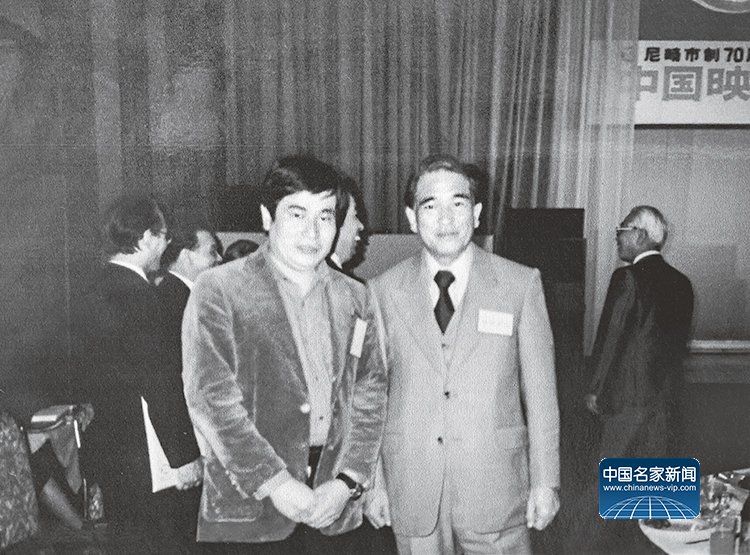
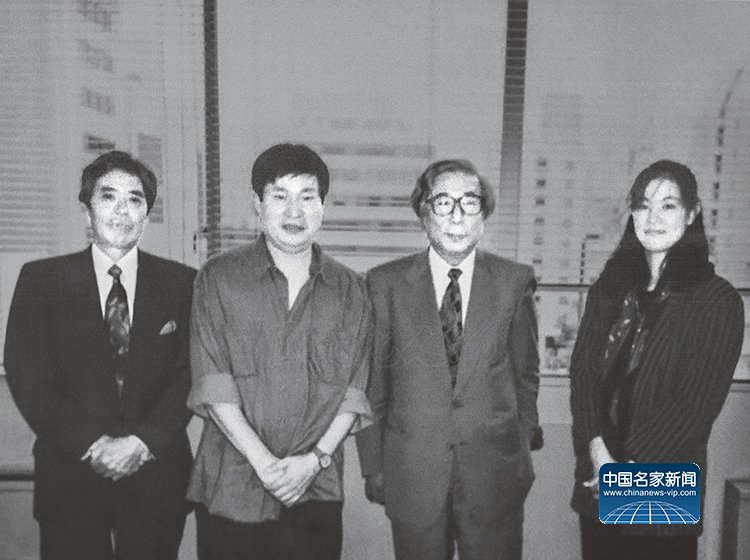
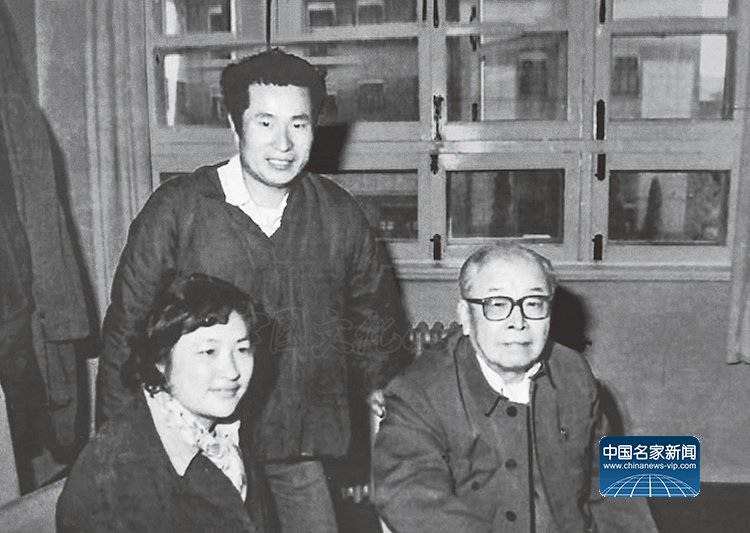
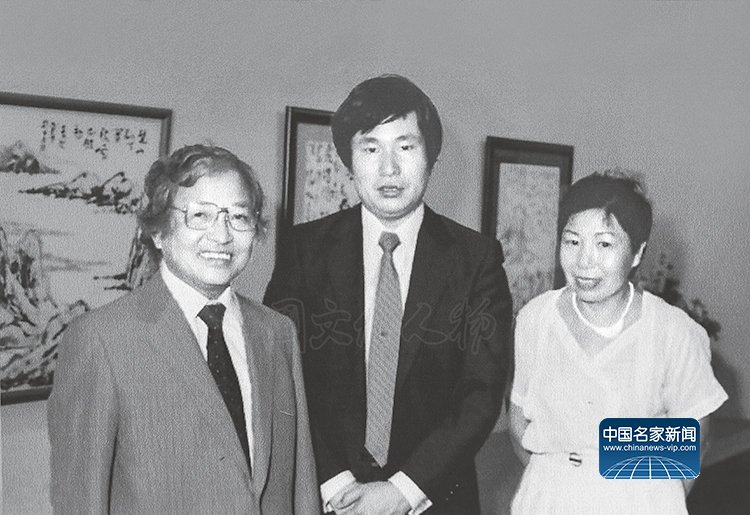
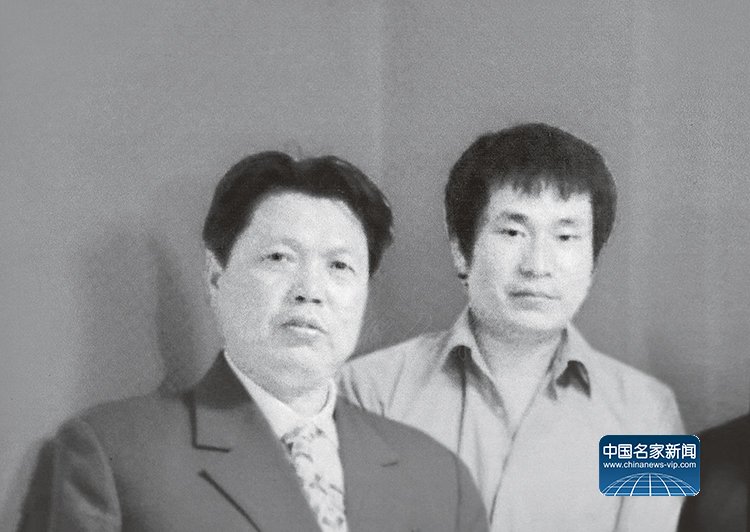
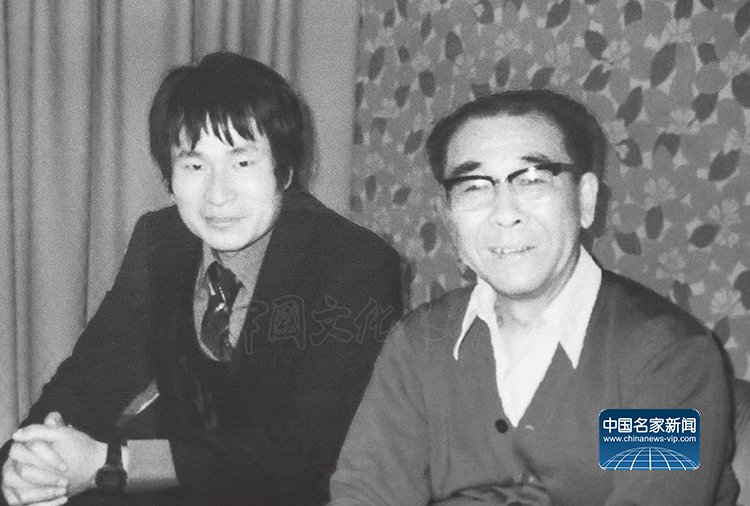
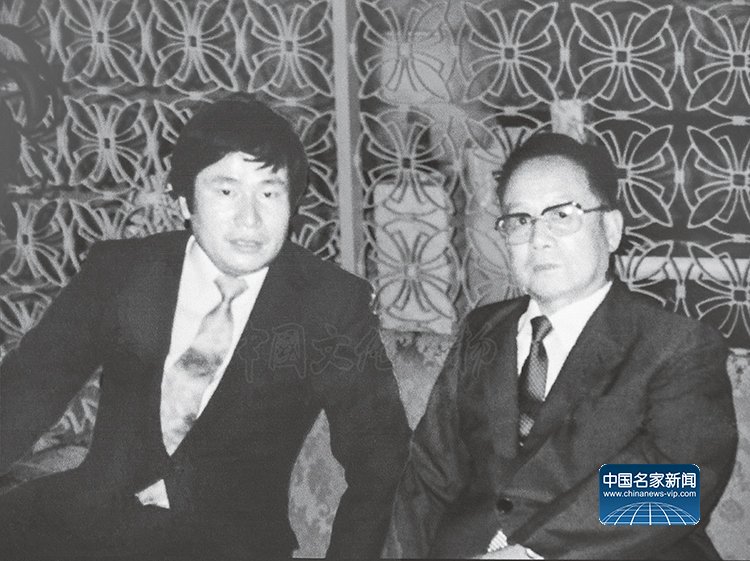
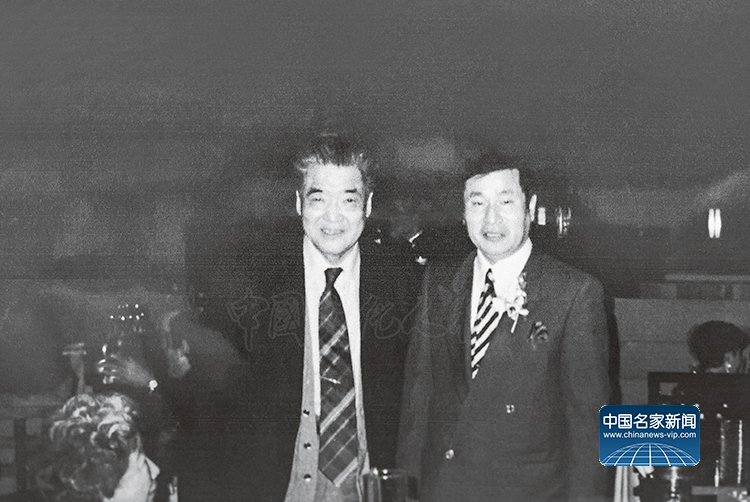
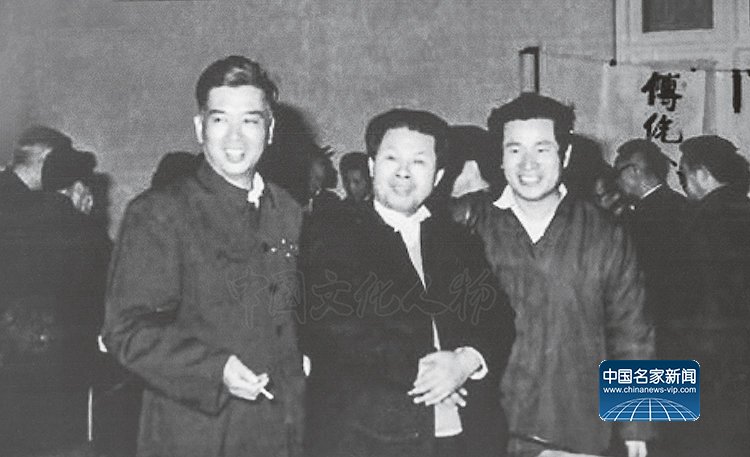
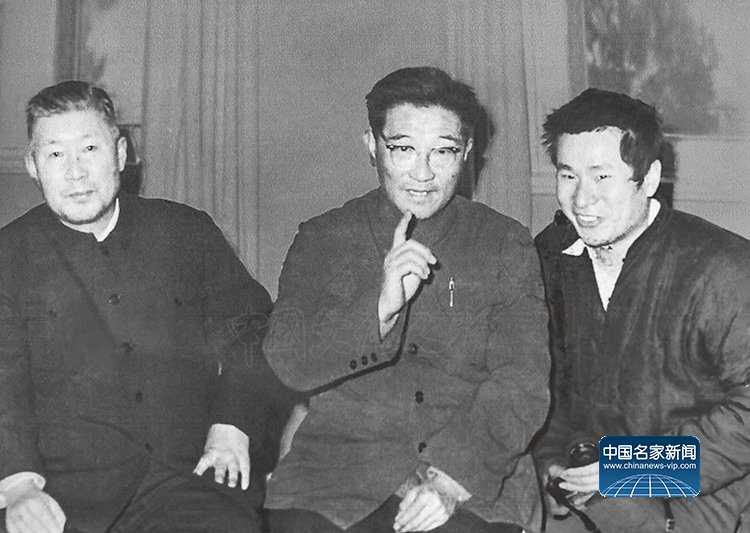
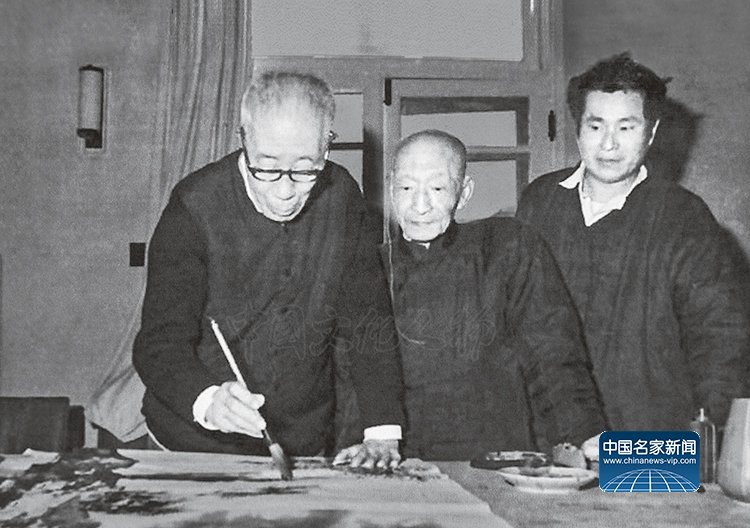
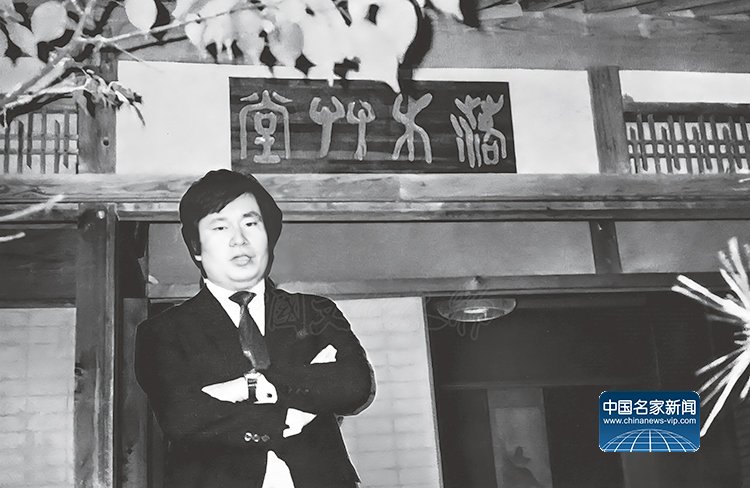
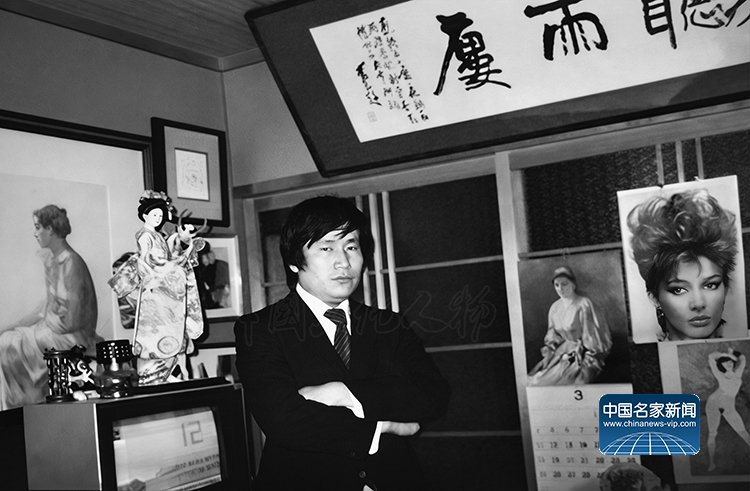
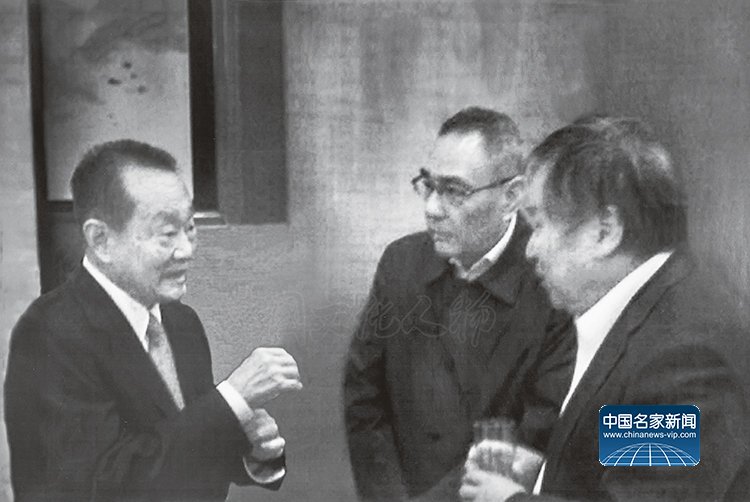
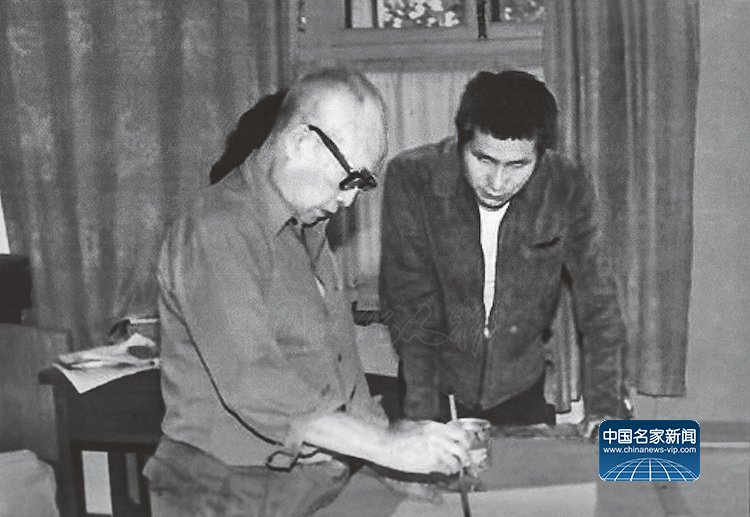
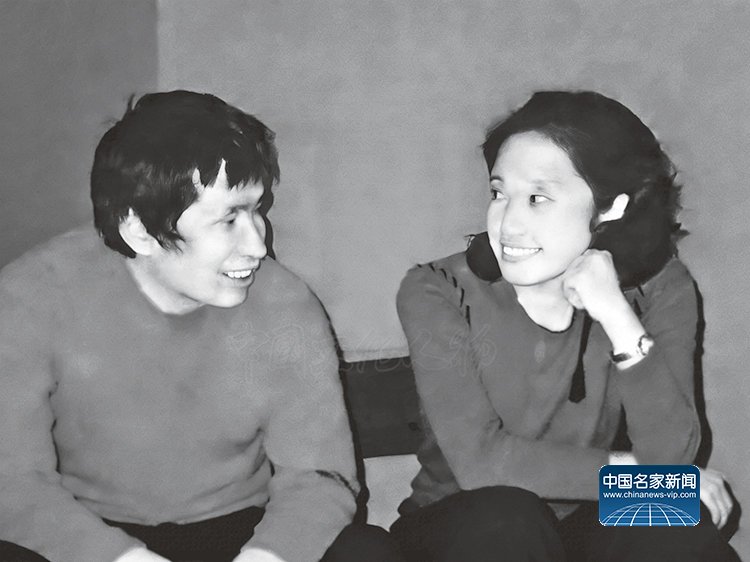
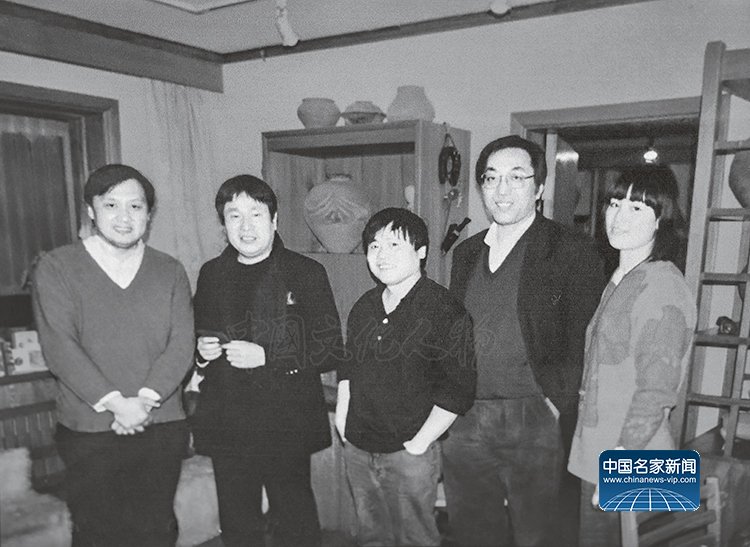
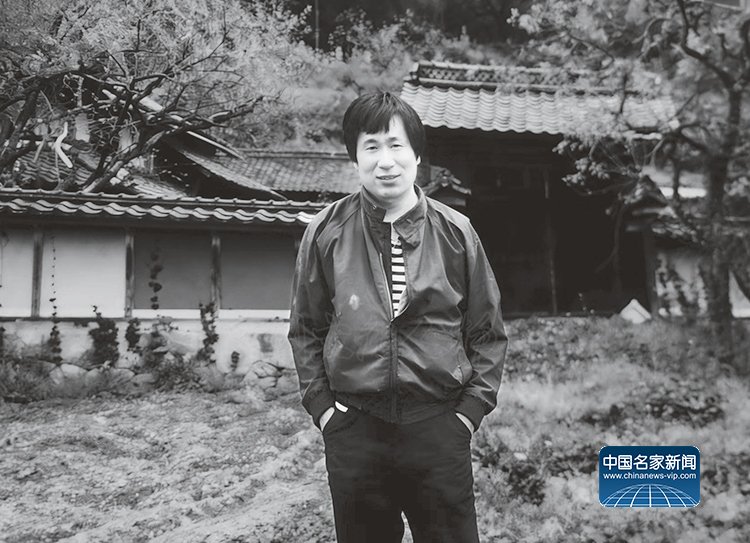
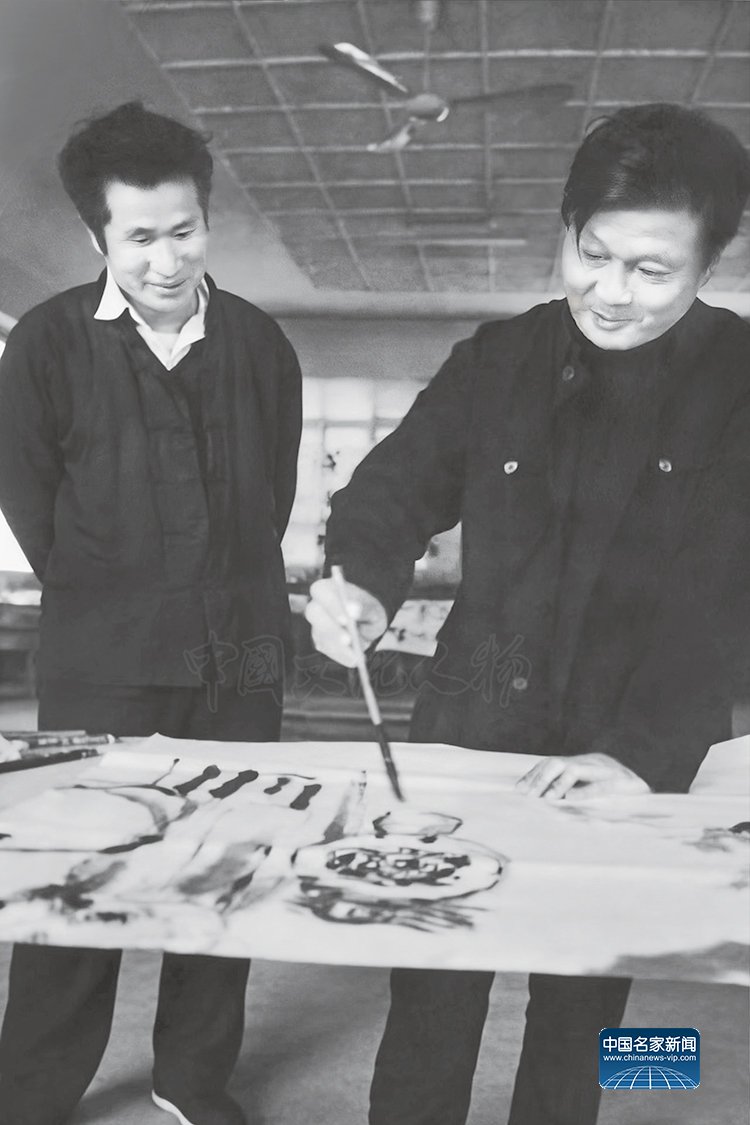
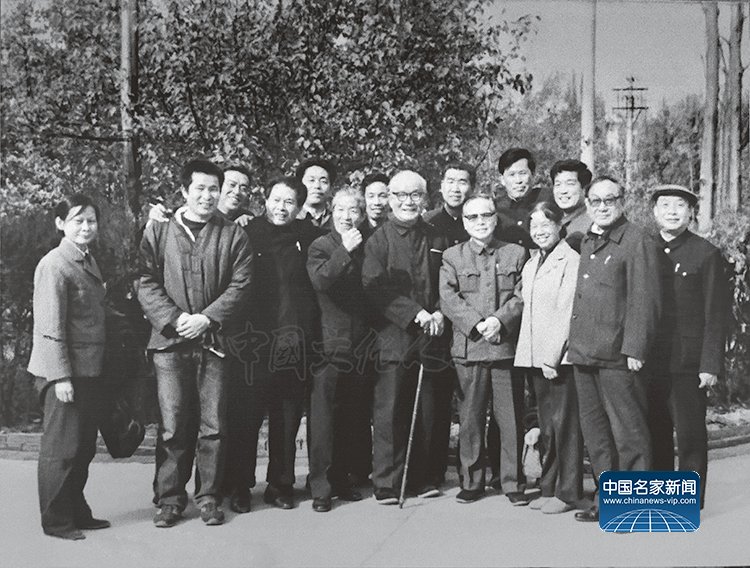
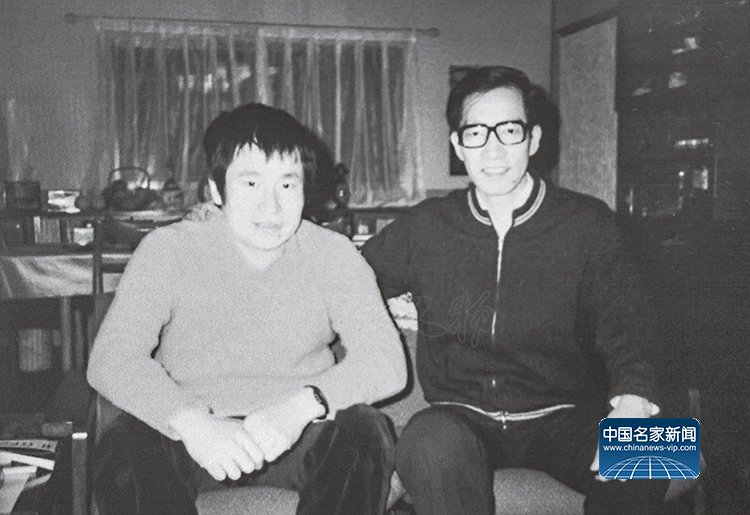
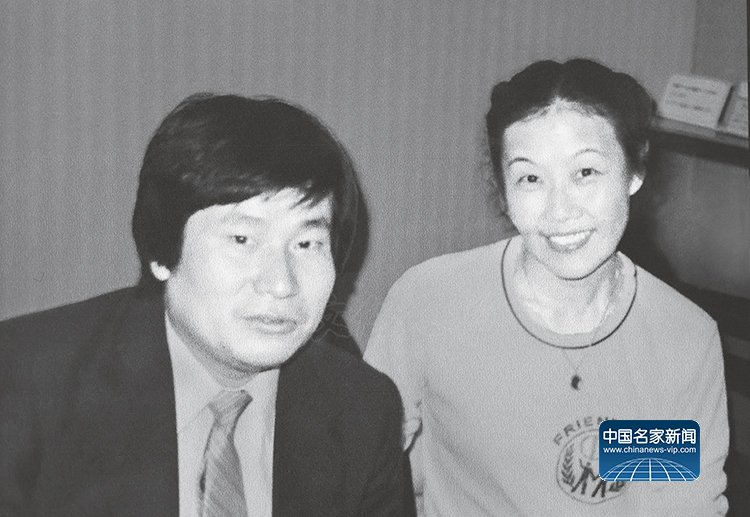
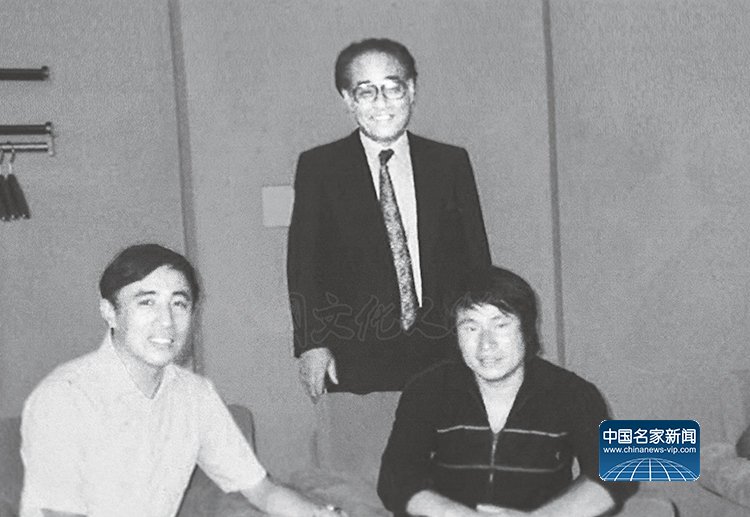
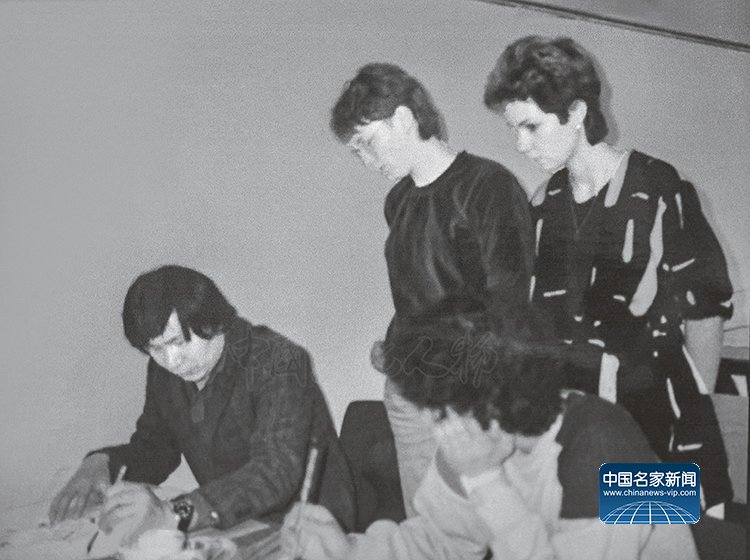
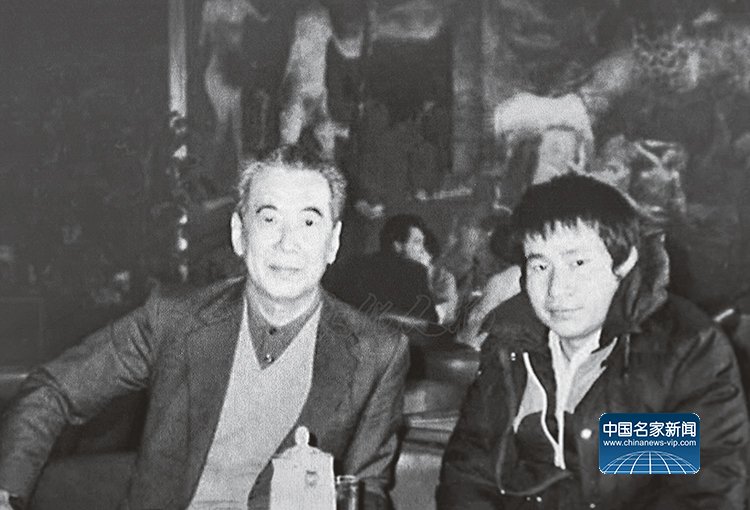
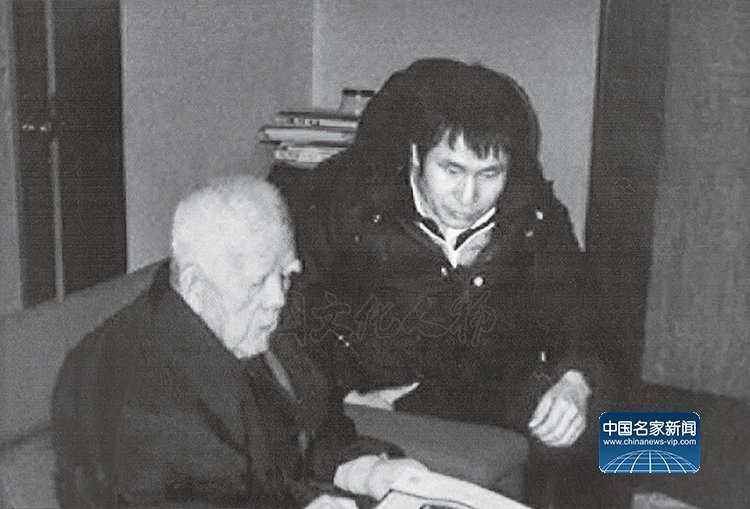
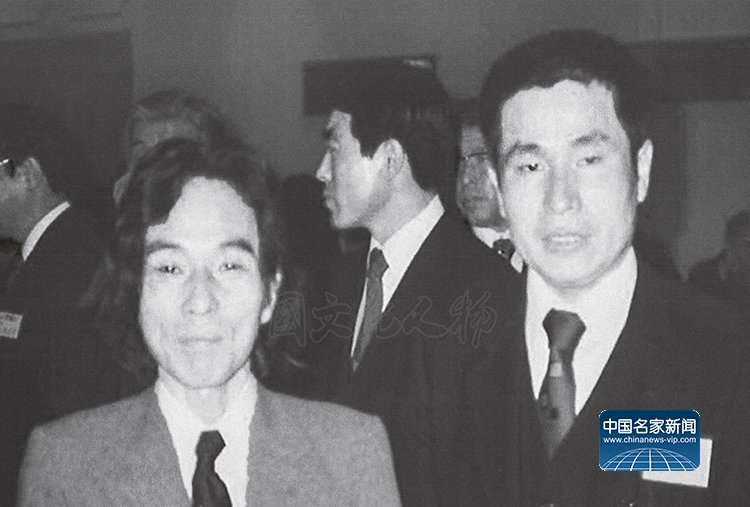
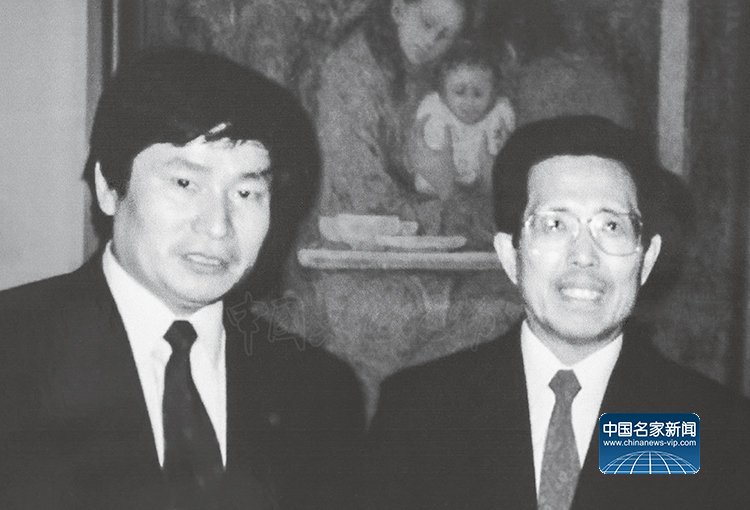
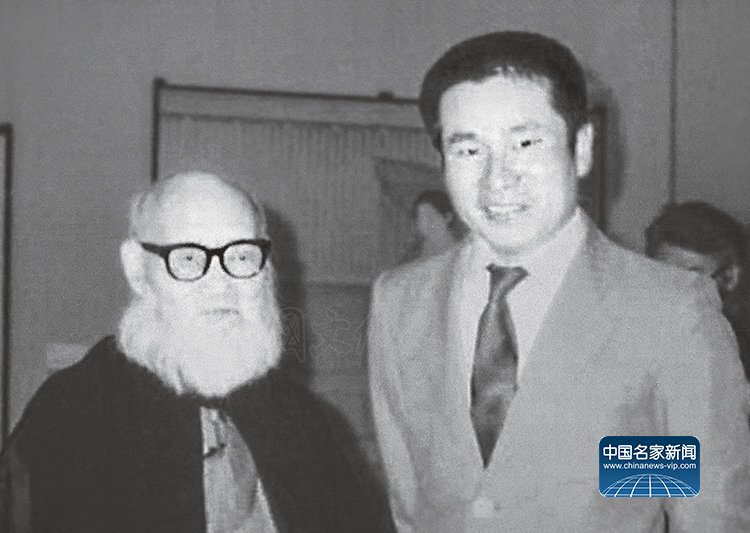
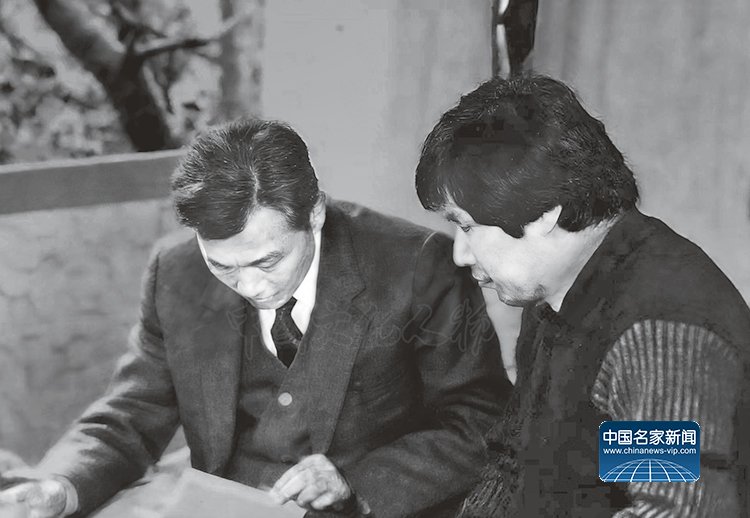
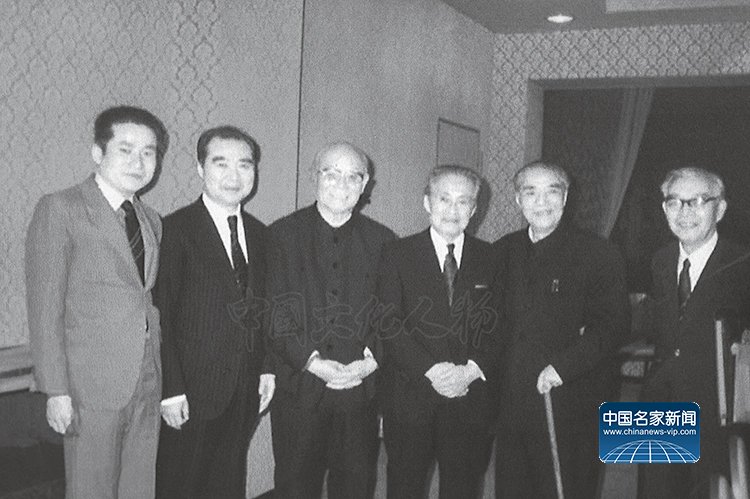
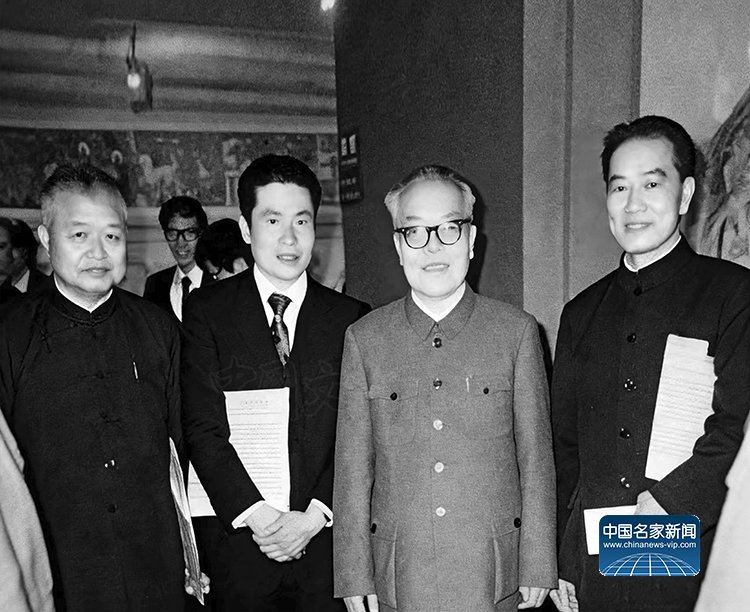
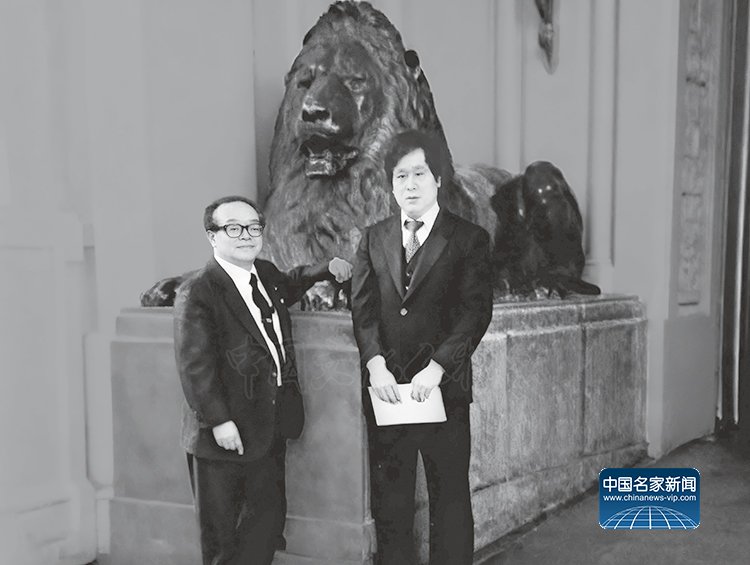
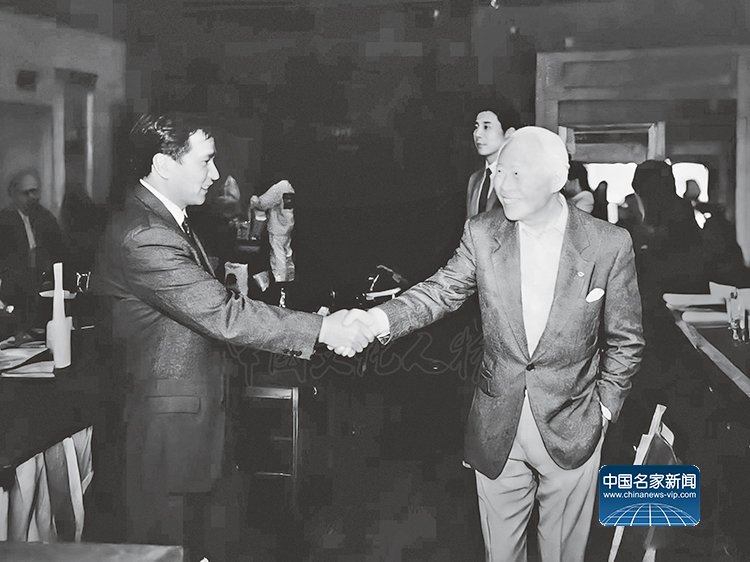
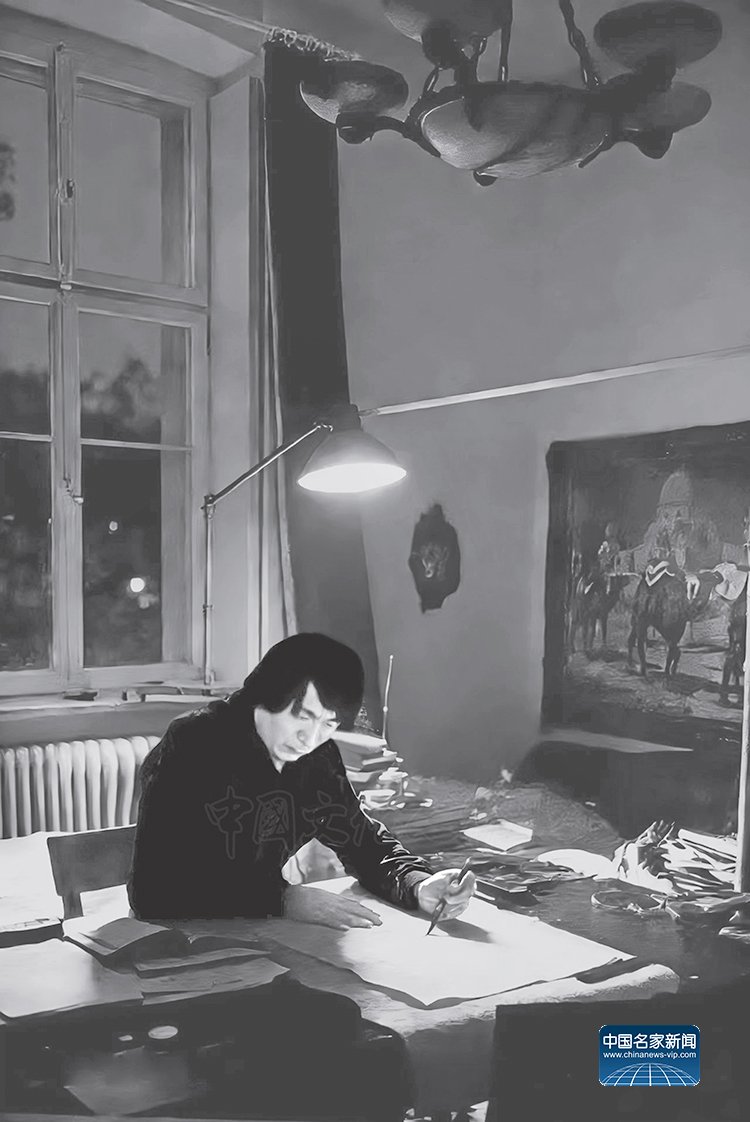
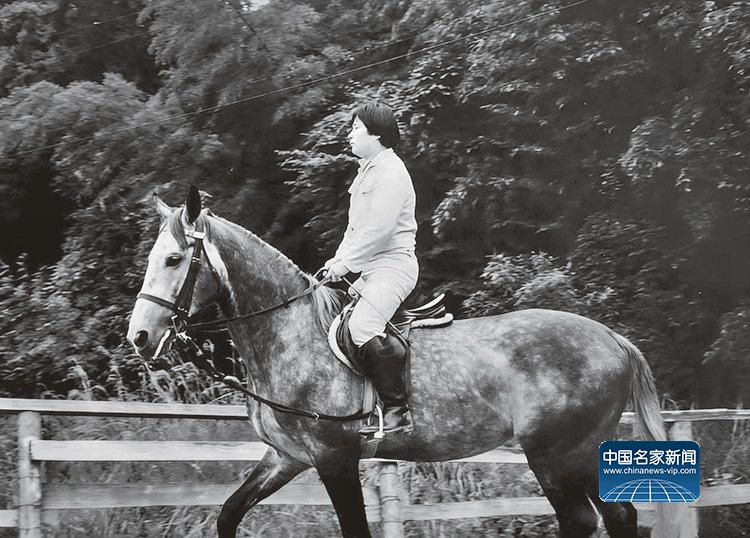
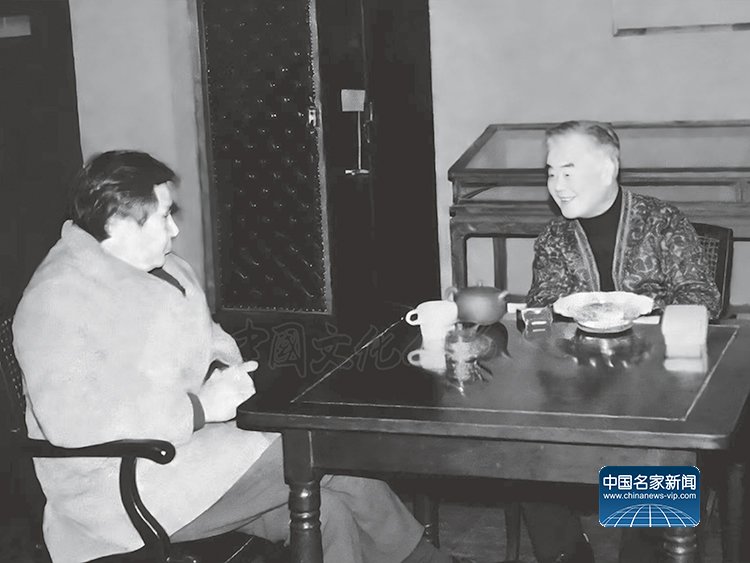
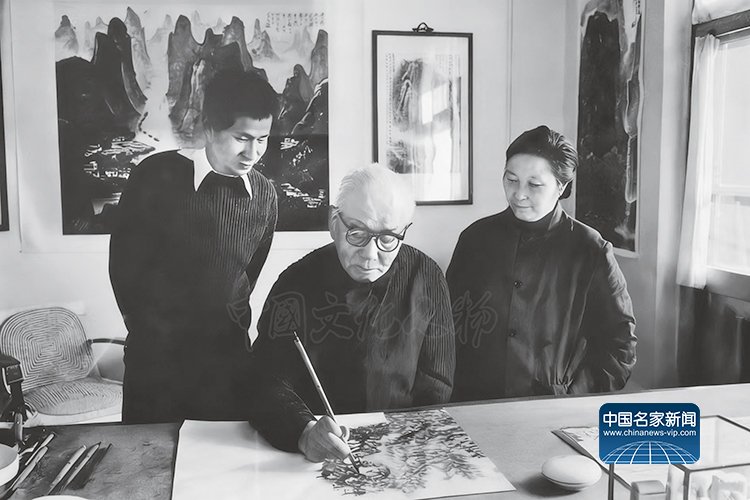
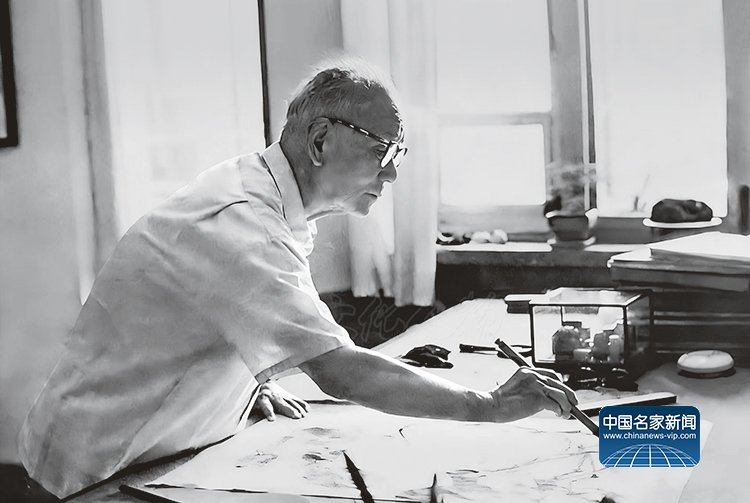
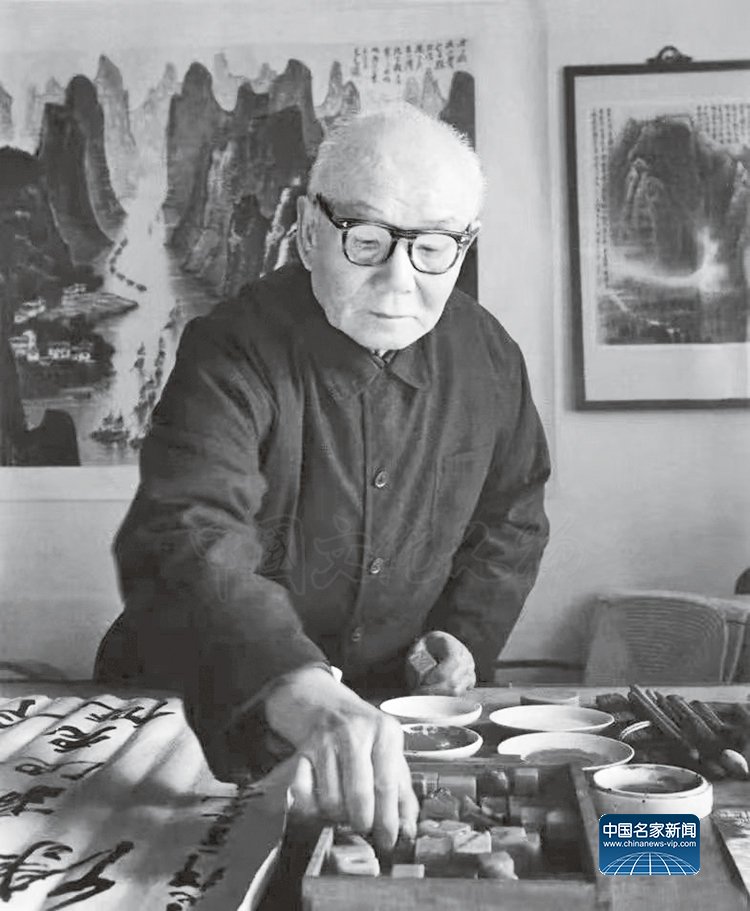
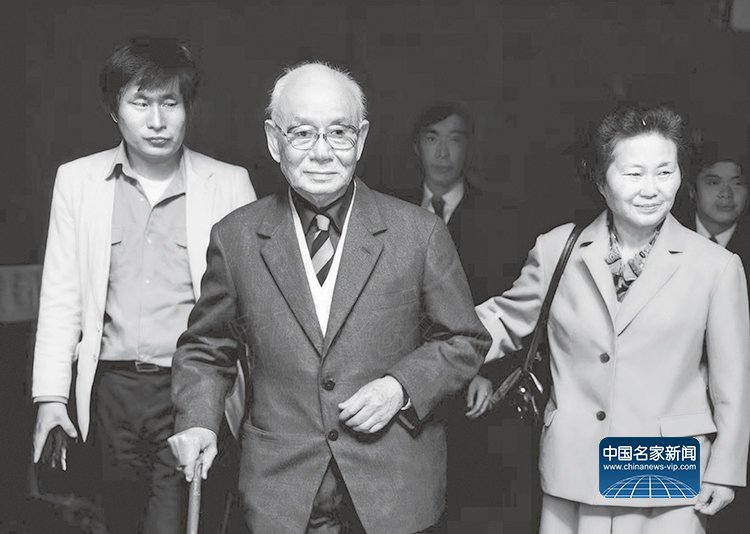
(Old photos of Mr. Li Geng were provided by Guo Cuiping and Wang Yanyan)
(Editors: Liu Sheng, Zhang Yan)